
Late updated: 07 Dec 2025 11:12
Written by: Oliver Bennett
Planning Permitted Roof Design Solutions UK Homes: Key Considerations
Navigating roof design solutions for UK homes can be both exciting and challenging, especially when considering planning permission and permitted development rights. The UK has specific guidelines that dictate what changes can be made without formal planning permission, such as alterations under Permitted Development Rights. Understanding these rights is crucial as it allows homeowners to make certain roof modifications like adding skylights or re-roofing without the hassle of applying for permission.
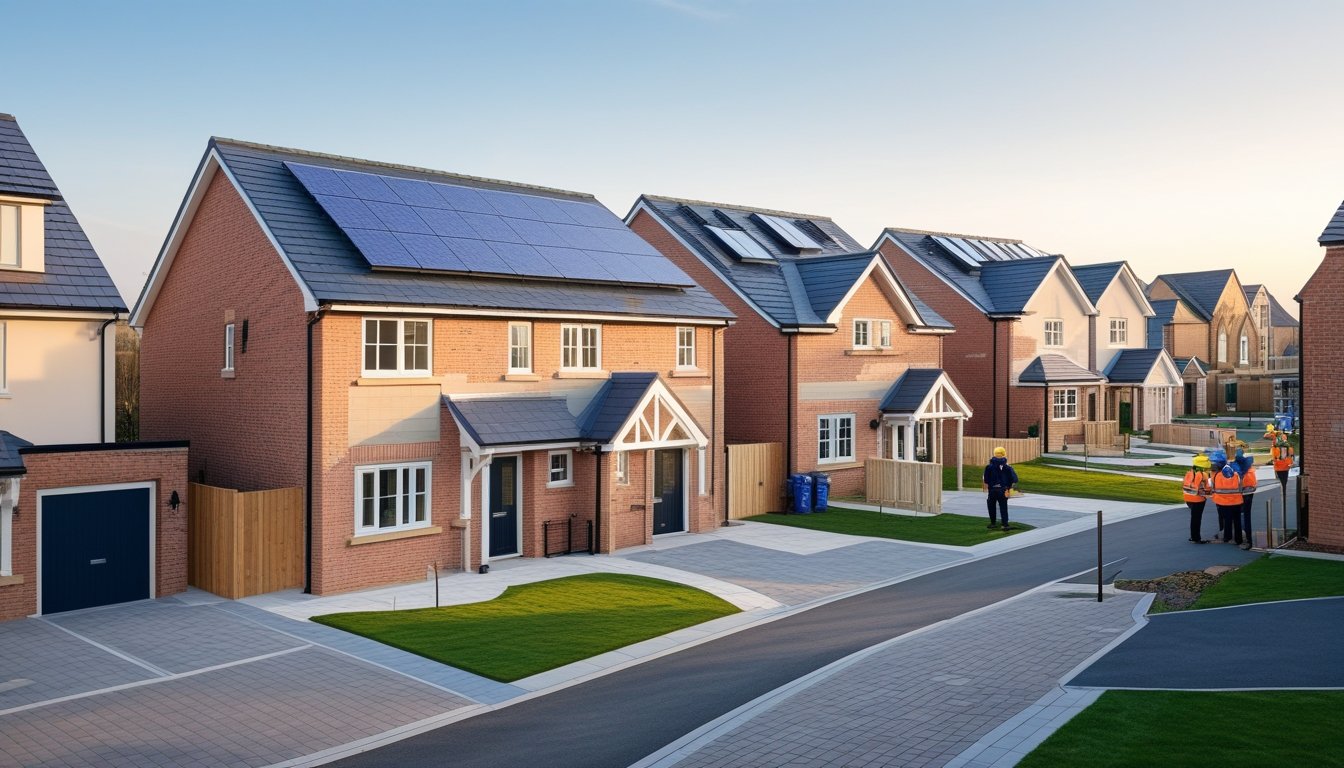
Beyond the technicalities, choosing the right roof design involves considering aesthetics, function, and compliance with building regulations. It’s important to consider the impact of your chosen design on daylight, headroom, and running costs. By understanding the key elements and restrictions, we can unlock the potential of roof design to enhance the value and comfort of a home.
Our guiding principle is simple: informed decisions lead to smooth and successful home improvements. We'll delve into the essential considerations for planning permissions and show how to seamlessly integrate them with design solutions to make your roof extension or alteration a triumph.
Key Takeaways
- Understand when planning permission is needed for roof design.
- Consider both aesthetic and functional aspects of roof extensions.
- Discover practical solutions for compliance and design challenges.
Essential Planning Permission and Permitted Development Considerations for Roof Design
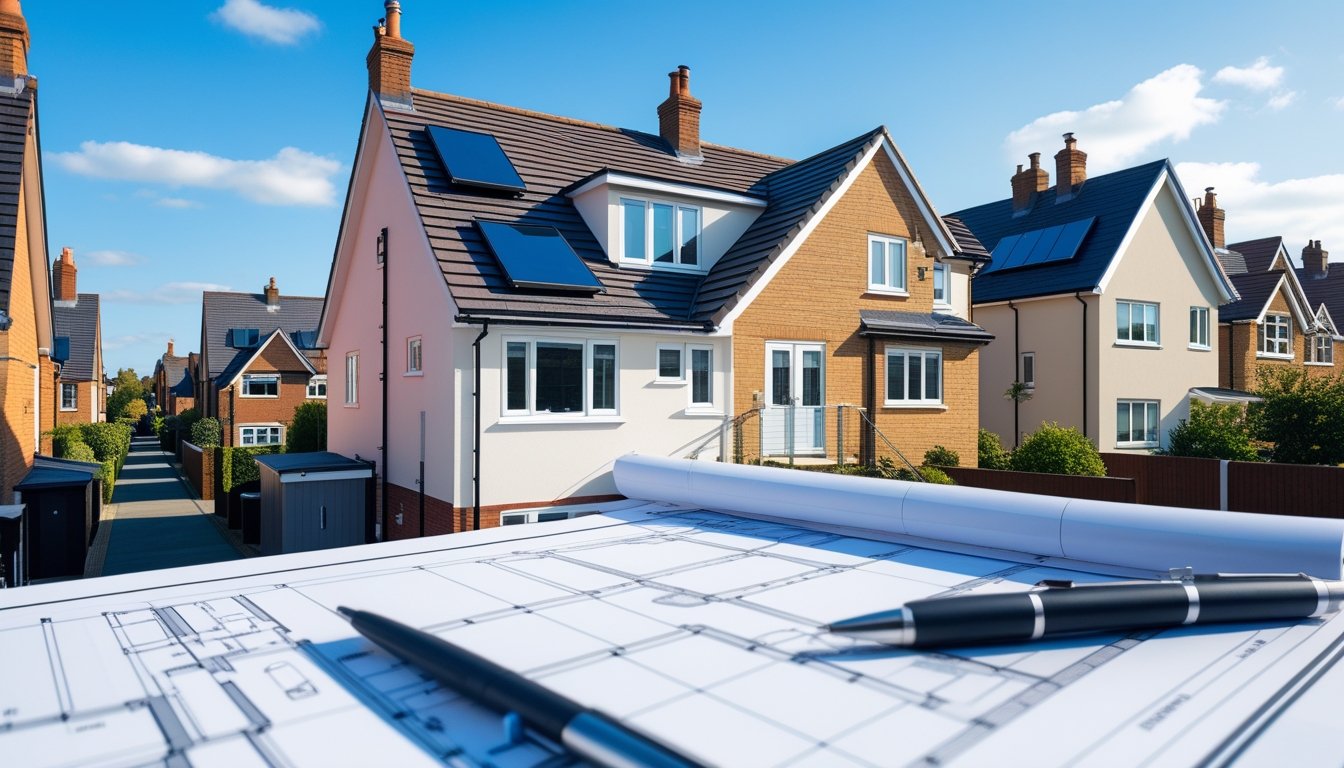
For those considering roof design changes on UK homes, understanding the intersection of planning permission and permitted development rights is crucial. While homeowners can often make alterations under permitted development rights, there are specific circumstances where planning permission becomes necessary.
Permitted Development Rights for Roof Alterations
Permitted development rights allow us to make certain changes to our roofs without applying for planning permission, as long as the changes do not significantly alter the roof's shape, height, or appearance. This can include adding rooflights and solar panels. Height Restrictions: The highest point must not exceed the existing roof height. Materials: The materials used should match the existing property to maintain a uniform look. The Local Planning Authority (LPA) may have specific conditions in place, so checking the planning portal for guidance is advisable.
When Planning Permission is Required for UK Roof Projects
There are circumstances when we must apply for planning permission before starting roof projects. Large-scale changes, such as raising the roof height or heavily modifying the structure, often require approval. Dormer Windows: In some cases, adding dormer windows may need planning permission if they exceed certain size limits. Checking with the LPA is essential to ensure compliance with local regulations. Roof Extensions: Any extension beyond the permitted development limits may need a planning application submitted through the planning portal.
Planning Permission for Listed Buildings and Conservation Areas
For properties within conservation areas or those designated as listed buildings, stricter controls generally apply. We often need planning permission for even minor roof alterations. Conservation Areas: Changes visible from the road may have additional restrictions to preserve the area’s character. Listed Buildings: Alterations might require special consent due to the building’s historical significance. Engaging with local conservation officers or the LPA early in the process is advisable to navigate these added complexities effectively.
Design Solutions and Compliance for Roof Extensions and Alterations
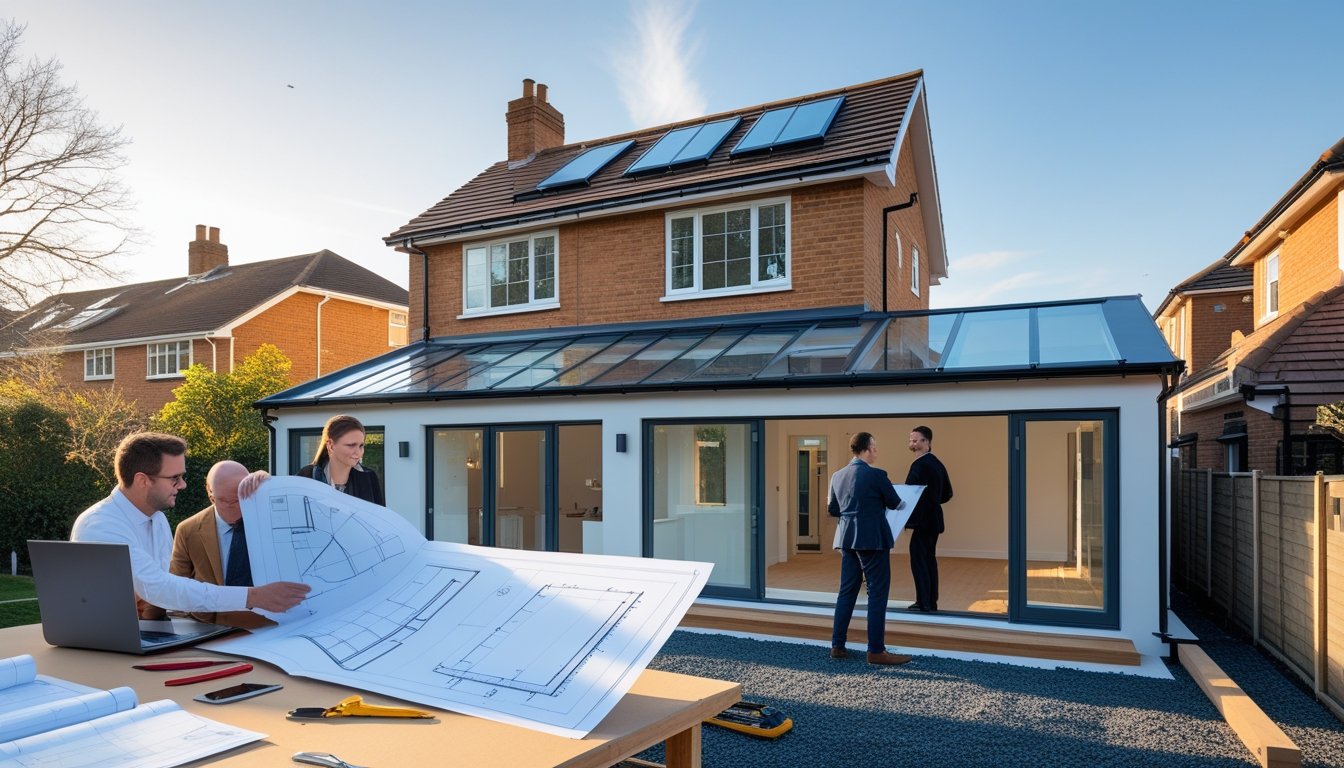
In UK home improvements, effective roof extension and alteration design is crucial for both aesthetics and regulatory compliance. These projects address various elements such as loft conversions, dormer windows, and structural changes, while ensuring adherence to permitted development rights and building regulations.
Loft Conversions and Roof Extensions under Permitted Development
Loft conversions have become a popular choice for many homeowners wishing to expand their living space without the need for moving. Under permitted development rights, certain types of loft conversions can be carried out without obtaining full planning permission, provided they meet specific criteria. For example, the extension must not exceed 40 cubic metres for terraced houses or 50 cubic metres for detached and semi-detached houses. In addition, the conversion must not extend beyond the existing roof slope on the principal elevation facing a highway. Structural alterations such as hip-to-gable conversions are often included, while ensuring essential factors like height restrictions and materials compatibility are adhered to. Understanding these rules helps us achieve compliance while effectively enhancing our home's usable space.
Roof Lights, Dormer Windows, and Flat Roof Modifications
Adding roof lights and dormer windows can inject natural light and ventilation into loft spaces, making them more functional and enjoyable. These additions often fall within the scope of permitted development if they do not protrude beyond the roof slope by more than 150 millimetres or higher than the highest part of the existing roof. Flat roof modifications offer another avenue for home enhancement, especially when creating roof terraces or garden extensions. While these modifications might add significant external aesthetic appeal, they must comply with building regulations that address issues like water run-off and structural integrity. Ensuring all elements support both architectural vision and regulatory adherence is key to successful implementation.
Implications for Flats and Maisonettes
When considering roof extensions or loft conversions in flats and maisonettes, planning regulations play a crucial role. Unlike single-family homes, these properties don't typically benefit from permitted development rights, necessitating full planning permission for roof alterations. Compliance with fire safety standards and sound insulation requirements is mandatory. These regulations are rigorous, given the potential impact on shared structures and communal areas. As a result, it's essential for us to liaise with local planning authorities early in the design process to navigate the permissions effectively. Safeguarding neighbourly relations through considerate design and open communication is equally crucial during these home improvement projects.
Material Changes and Structural Alterations
Selecting appropriate materials and making structural alterations requires mindful consideration to match and enhance existing structures. Compatibility with the original building's design and local character is imperative. Structural integrity is of utmost importance, especially when making significant alterations such as increasing roof load for new elements or replacing roof components entirely. These changes should always comply with relevant building regulations, particularly concerning thermal performance and weather resistance. By working collaboratively with architects and structural engineers, we can ensure that material choices and designs fit seamlessly into the existing architectural framework and maintain compliance with regulatory standards. This approach supports both the aesthetic and functional aspects of home extension projects.
Frequently Asked Questions
In this section, we address key aspects of planning permitted roof design solutions for UK homes. These questions focus on common requirements, compliance, and considerations for roof alterations under permitted development rights.
What are the common requirements for permitted development in residential roof design?
Planning permissions are not usually required for minor works on residential roofs. Yet, certain limits and conditions must be met. These include maintaining the height of the existing roof and avoiding alterations on principal elevations visible from the road.
How does one ensure compliance with UK building regulations when altering a home's roof?
To comply with building regulations, homeowners should submit either a Building Notice or a Full Plans application. Both processes ensure safety and adherence to thermal efficiency standards. Consultation with a qualified architect or surveyor can also aid compliance.
Can homeowners install roof extensions under permitted development rights?
Roof extensions may be possible without planning permission if they fall within specific parameters. These include limits on cubic content increase and no extension beyond the plane of the existing roof slope facing a highway. Extensions must respect the height constraints of the property.
What factors must be considered when designing loft conversions within permitted development guidelines?
Loft conversions under permitted development rights must take into account height, volume, and overhang restrictions. The exterior appearance should be sympathetic to the existing structure. Considerations also include technical aspects such as structural support and sunlight access.
Are there any restrictions on materials and appearance for permitted development roof projects?
Materials should match the existing property to maintain the aesthetic coherence of the neighbourhood. This requirement ensures visual consistency and compliance with council guidelines. Attention to detail in material selection can prevent the need for additional permissions.
How do the rules for permitted development differ in conservation areas as they relate to roof design?
In conservation areas, stricter controls apply, often requiring planning permission even for relatively minor changes. Enhancements must not harm the area's character. Coordination with local authorities is vital to understand specific restrictions and obtain necessary approvals.