
Late updated: 25 Dec 2025 15:12
Written by: Oliver Bennett
Enhancing Your UK Home's Interior Design Aesthetics: Expert Tips and Trends
Our homes are a reflection of our personal style, and incorporating British interior design aesthetics can elevate the ambience while maintaining a sense of timeless charm. From the elegance of classic furnishings to the vibrant use of colour and texture, British design offers a unique blend of traditional and modern elements that captivate the senses. To enhance your home's aesthetic, focus on creating spaces that harmonise comfort and sophistication, with an eye for detail and quality materials.
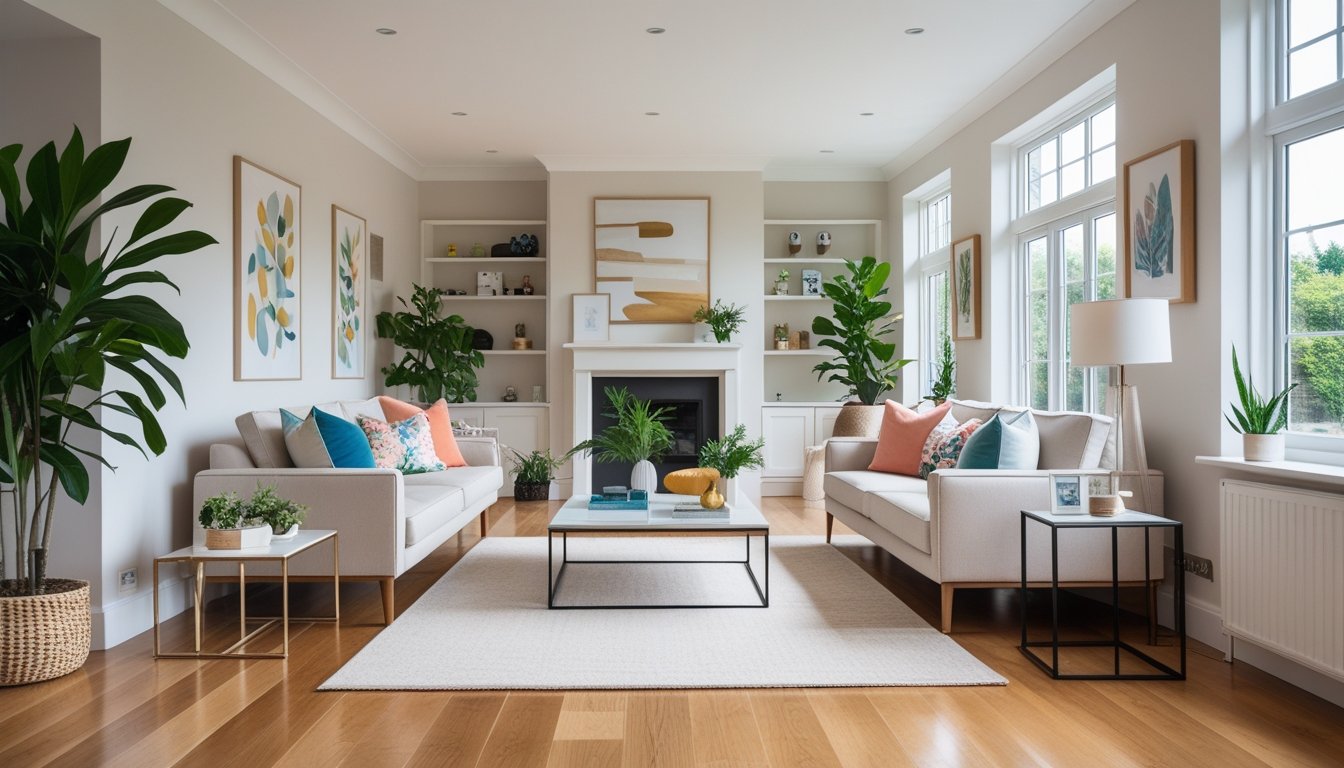
In the UK, there's a rich history of interior design that continues to influence modern trends. By embracing this legacy, we can transform our spaces into environments that not only look beautiful but also enrich our daily lives. Whether it's through artisan décor, heritage colours, or innovative materials, the key is to strike a balance between the old and the new.
As we navigate through the nuances of British interior design, it's important to understand the foundational elements that make this style enduring. This blog post will guide you through the essential components and emerging trends that can inspire your next home project, providing practical insights and creative ideas to personalise your space effectively.
Key Takeaways
- British design blends traditional charm with modern elements.
- Focus on comfort, sophistication, and quality materials.
- Balance heritage influences with innovative trends.
Key Elements of British Interior Design Aesthetics
British interior design is characterised by a harmonious balance between tradition and modernity, offering timeless elegance with a touch of contemporary flair. Attention to detail is crucial, with high-quality materials and iconic furnishings taking centre stage. Colours and patterns are thoughtfully layered to create rich and engaging environments.
Defining British Style: Classic Meets Contemporary
In British interior design, the seamless merger of classic and contemporary elements plays a pivotal role. Traditional British interiors are renowned for incorporating historical features such as ornate mouldings, fireplaces, and original wood flooring. These elements provide a backdrop where modern features can shine.
When introducing contemporary touches, it’s important to keep harmony in mind. Feature walls or modern furnishing pieces, when chosen with care, bring innovation into the room without overshadowing historic charm. Statement lighting and minimalist design pieces enhance this contrast, bringing a sense of freshness that revitalises the timeless aesthetic of British homes.
Personalised Spaces and Statement Pieces
Creating spaces that reflect personal taste while maintaining quintessential British decor is vital. Statement pieces—be it art sculptures, vintage rugs, or antique furniture—become conversational points and add unique flair. These elements often tell a story, enhancing the home’s character.
Accent walls or patterned wallpaper like William Morris designs can also give any room a distinct personality. The layering of personality-infused elements ensures rooms evoke warmth and individuality, making them inviting yet distinctly British. Our approach becomes a journey into curating a space that mirrors its inhabitants, embodying both tradition and personal narratives.
The Influence of Colour Palettes and Pattern Layering
Selecting a colour palette is essential to British design, with an emphasis on rich, warm tones. These colours create inviting atmospheres, often featuring heritage shades like deep reds, forest greens, and mustard yellows. The use of these colours can bring a classic appeal while enabling modern interpretations through block prints and patterned textiles.
Layering patterns is another hallmark, blending tartans, plaids, and florals seamlessly. The mixing of patterns allows for depth and interest, fostering a dynamic visual experience within rooms. It’s this tapestry of colours and patterns that grants British interiors their renowned sophistication, creating interiors that are both vibrant and grounded in tradition.
Modern Trends and Timeless Appeal in the UK Home
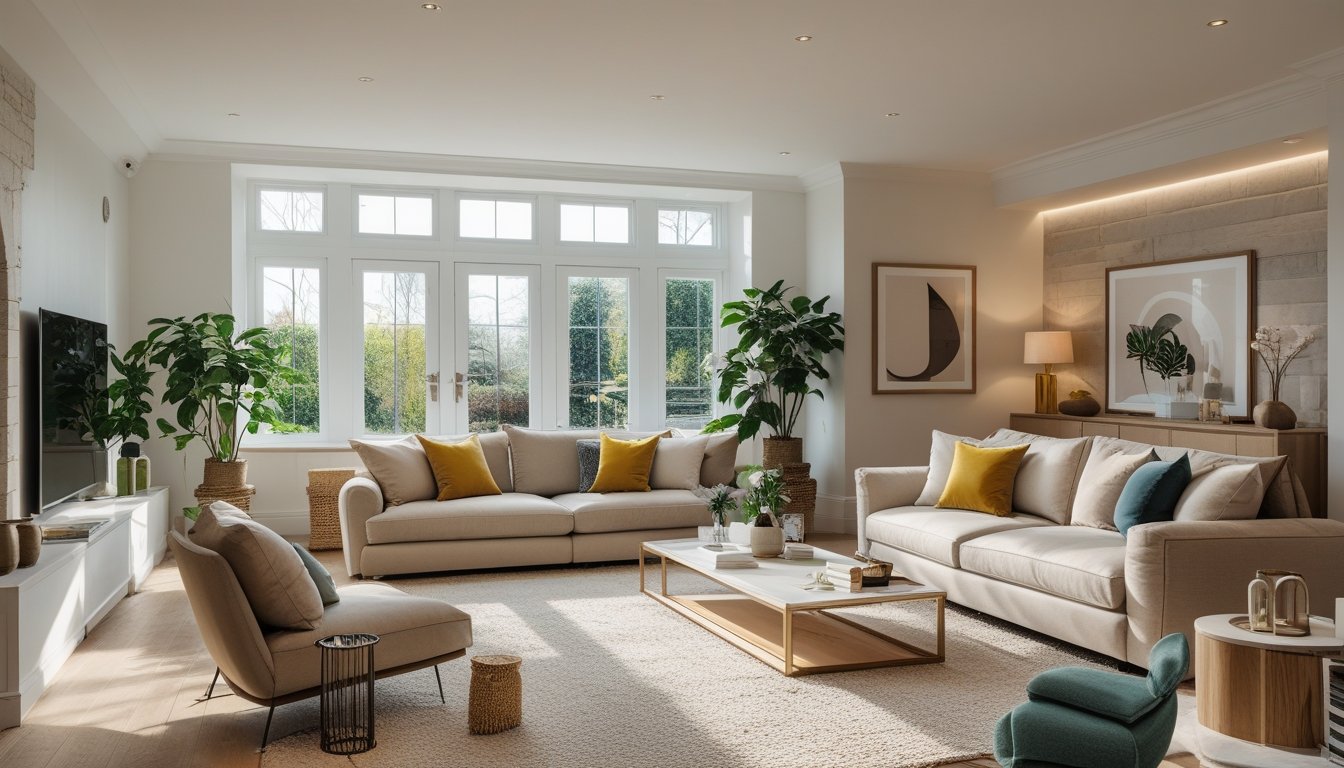
In today's rapidly evolving design landscape, balancing contemporary flair with enduring elegance is key. We focus on sustainable materials, biophilic design, and both minimalist and maximalist styles to create spaces that are both current and timeless.
Sustainable and Natural Materials for Lasting Style
Incorporating sustainable and natural materials is more than a trend; it's an essential part of creating lasting home aesthetics. Materials like reclaimed wood, stone, and exposed beams offer a tactile connection to nature, infusing warmth and authenticity. Utilising eco-friendly materials not only contributes to the environment but also brings a sense of artisanal craftsmanship that enhances the home's character. In practice, we might include elements such as hand-thrown pottery and textured fabrics to add depth and interest. For instance, using reclaimed wood for flooring or accent walls can create a rustic-chic vibe that remains timeless. These choices ensure that the home exudes an earthy charm and is aligned with sustainable living principles.
Biophilic Design and Living Elements Indoors
Biophilic design bridges the gap between outdoor elements and interior spaces, creating environments that nurture well-being. Incorporating living walls, indoor gardens, and abundant natural light fosters a deep connection with nature. The influx of natural elements like botanical prints and florals complements the biophilic aesthetic, contributing to relaxation and rejuvenation. Integrating natural light wherever possible enhances this effect, making spaces feel more expansive and welcoming. Whether it's installing floor-to-ceiling windows or strategically placing plants around the living room, these elements collectively transform our homes into havens of tranquillity. By intertwining modern design with nature, we achieve a harmonious balance that is both modern and ageless.
Minimalist and Maximalist Approaches to Modern Living
The preferences for minimalism and maximalism showcase contrasting yet equally compelling approaches to modern living. Minimalism focuses on clean lines, simplicity, and functional furniture like the Murphy bed and modular designs, which enhance space efficiency. In contrast, maximalism embraces bold statements with vibrant colours, jewel tones, and eclectic combinations of antique furniture and art deco accents. Velvet sofas or Chesterfield sofas paired with floor-to-ceiling bookshelves represent the layered richness of maximalism. Both approaches serve distinct functions, catering to varied tastes and lifestyles. The choice between them involves personal preference and the desired ambience. Whether we opt for minimalist serenity or maximalist vibrancy, the key is finding a balance that resonates with our personal style while remaining inviting and functional.
Frequently Asked Questions
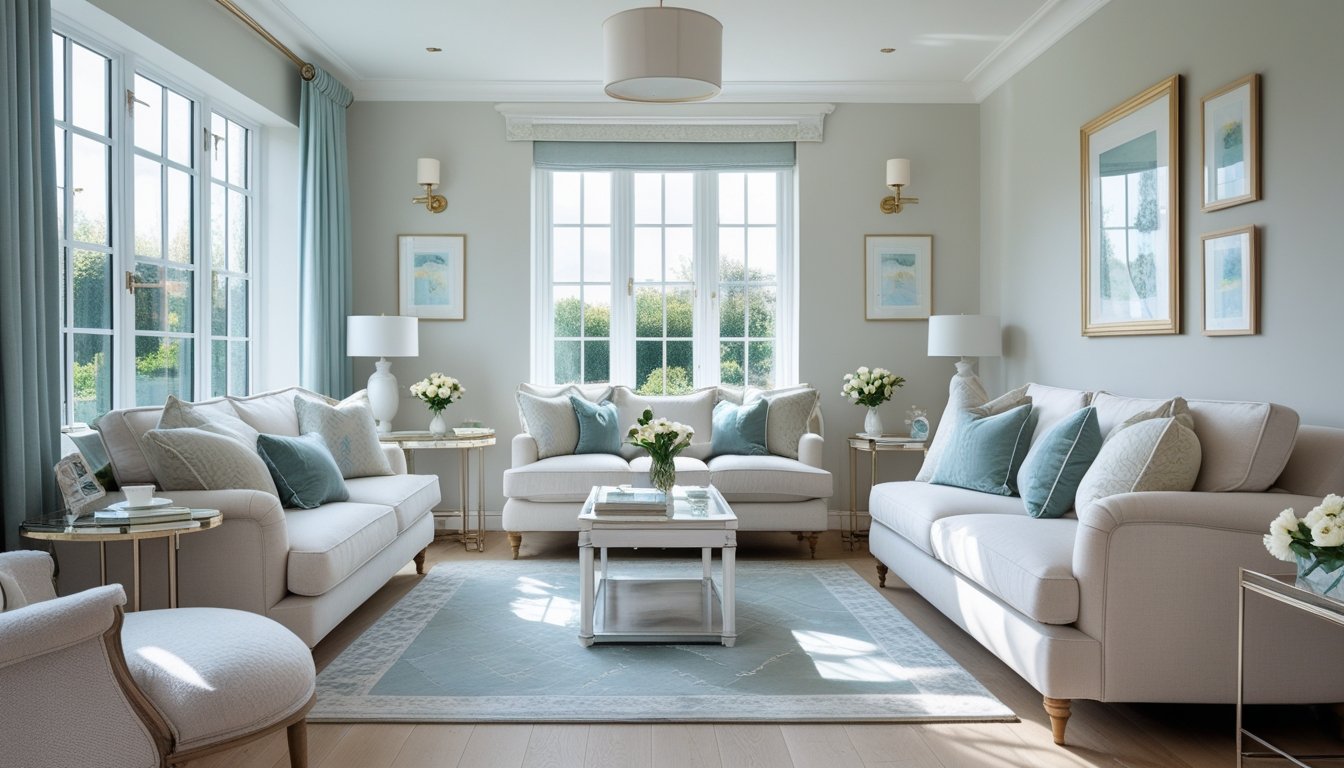
In our exploration of home design, we cover contemporary trends, colour psychology, the importance of textures and patterns, the impact of lighting, and affordable ways to enhance elegance, ensuring a cohesive theme throughout one's home.
What are the emerging trends in contemporary British interior design?
Contemporary British design is currently embracing sustainability with a focus on eco-friendly materials and minimalist approaches. Emphasis on multi-functional spaces has grown, responding to modern living demands. Statement pieces, whether bold artwork or vintage furniture, are also being integrated to add character.
How can colour psychology impact the ambiance of a home?
Colours profoundly influence mood and atmosphere. Warm hues like red and orange can energise a space, while blues and greens are calming, promoting relaxation. Thoughtful colour choices can transform a room's mood, making spaces feel larger or cosier depending on the chosen palette.
What is the role of texture and patterns in enhancing a room's appeal?
Textures and patterns play a critical role in adding depth and interest to rooms. Mixing materials like velvet, wood, and metal, or using geometric patterns, can create a multi-layered look that feels tactile and inviting. This combination keeps spaces engaging while maintaining visual harmony.
How does lighting influence the mood and functionality of domestic spaces?
Lighting significantly affects both mood and functionality. Natural light creates an open, airy feel, while strategic artificial lighting can adjust the ambiance as required. We suggest layering different types of lighting, such as ambient, task, and accent lighting, to cater to various activities and settings.
What are cost-effective ways to upscale the elegance of a flat's decor?
To achieve elegance on a budget, consider swapping out small fixtures like doorknobs and light fittings for more sophisticated options. Introducing elements such as large mirrors can make spaces look larger and more sophisticated. Simple changes like repainting walls in a fresh, neutral shade can also elevate the overall aesthetic.
How can one create a cohesive design theme throughout their dwelling?
Achieving a cohesive look involves consistency in design elements like colour, style, and material across spaces. Selecting a core colour palette ensures visual continuity, while introducing complementary accents can add depth. It's beneficial to repeat certain patterns or textures, unifying the different areas into a harmonious whole.