
Late updated: 26 Dec 2025 10:12
Written by: Oliver Bennett
Choosing The Best Flat Roof Style For UK Homes: Expert Tips
Choosing the best flat roof style for UK homes involves a balance of aesthetics, practicality, and durability. The appeal of flat roofs is visible in their modern design and functionality, making them a preferred option for residential extensions and newer architectural styles. Selecting the right flat roofing material is crucial as it impacts the roof's lifespan, energy efficiency, and resistance to the unpredictable British weather.
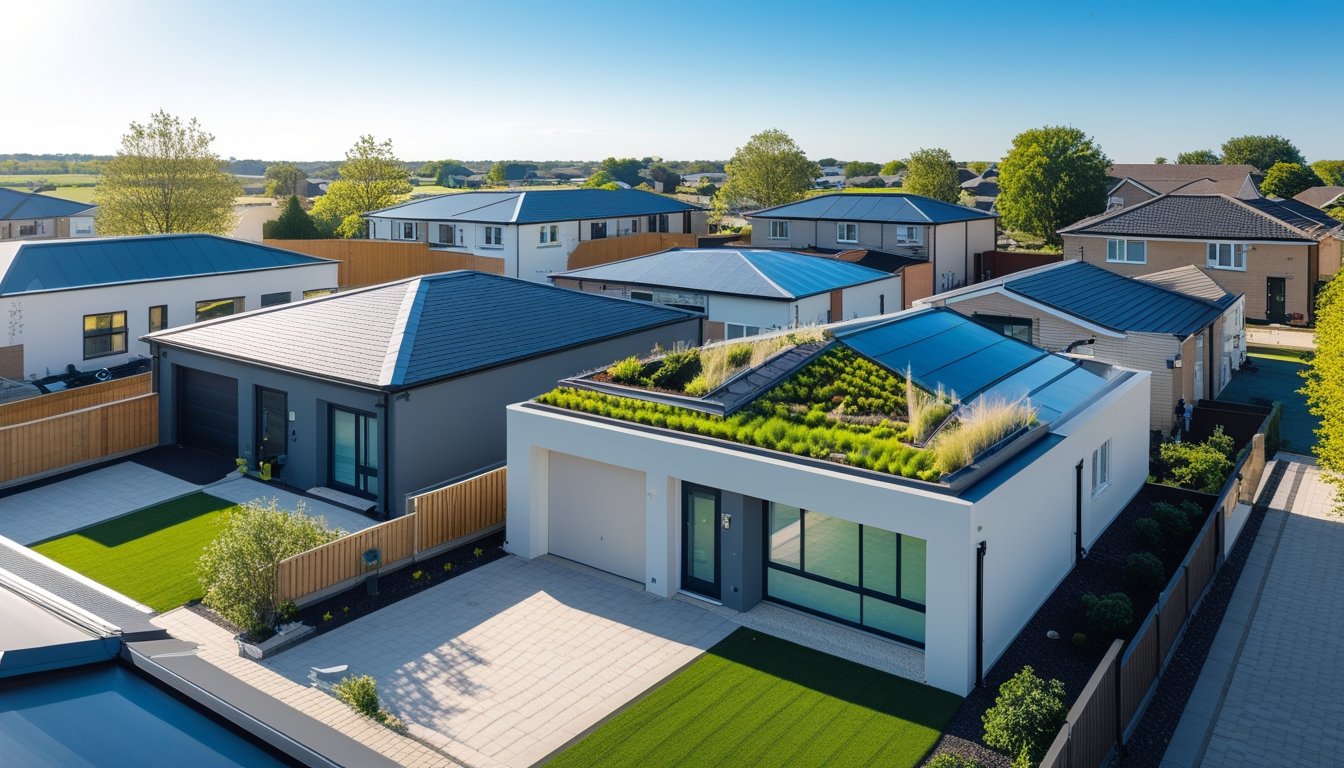
Our exploration into flat roofing highlights a range of material choices, each offering unique advantages suited to diverse needs and budgets. We discuss popular roofing materials such as EPDM, GRP, and felt, assessing their benefits and potential drawbacks. The right style will not only enhance the overall look of a home but also contribute significantly to long-term savings in maintenance.
We understand that choosing a flat roof can be a significant decision for any homeowner. This guide aims to provide the insights necessary to make an informed choice that aligns with specific requirements and preferences. By exploring the key factors and comparing the leading options, we can assist in finding a solution that suits any home in the UK.
Key Takeaways
- Material choice affects flat roof lifespan and efficiency.
- Each roofing system has unique benefits and drawbacks.
- Informed decisions support long-term savings and satisfaction.
Core Considerations When Choosing a Flat Roof Style
When selecting the best flat roof style for UK homes, it is imperative to navigate several core considerations. Key aspects such as modern design trends, material suitability, performance metrics, and adherence to local regulations will strongly influence the decision-making process.
Understanding Modern Flat Roof Design
Modern flat roof design incorporates sleek lines and minimalist aesthetics, aligning well with contemporary architectural preferences. These designs often integrate well with energy-efficient technologies such as solar panels, which are becoming increasingly popular. In the UK, where weather can be unpredictable, incorporating effective drainage systems is essential. This prevents water accumulation which can lead to structural issues. Incorporating elements like green roofs or rooftop gardens not only enhances visual appeal but also contributes to better thermal performance, reducing energy consumption for heating.
Evaluating Flat Roof Materials for UK Homes
Choosing appropriate materials is crucial, especially given the diverse climate across the UK. Common materials include EPDM, TPO, and PVC, each offering distinct advantages. EPDM is valued for its durability and resistance to UV radiation. TPO boasts strong energy efficiency due to its reflective properties, while PVC offers robustness and ease of maintenance. When considering costs, it’s important to assess not just the initial outlay but ongoing maintenance expenses as well. Compatibility with insulation and waterproofing systems should also be evaluated to ensure optimal thermal performance.
Key Performance Factors: Durability, Lifespan and Cost
The performance of a flat roof is determined by its durability, lifespan, and cost-effectiveness. Durability is influenced by material choice and quality of installation. A well-constructed flat roof typically has a lifespan ranging from 20 to 30 years, although this can vary with materials and maintenance. Cost considerations should encompass both initial and long-term expenses. For optimal returns, selecting materials that balance upfront costs with minimal maintenance needs over time is advisable. Regular inspections by qualified roofing contractors should be planned to prolong the roof's operational life.
Planning Permission, Regulations and Professional Installation
Understanding UK building regulations is critical when installing a flat roof. Compliance with these regulations ensures the roof meets necessary safety and energy efficiency standards. Certain modifications, such as increasing the roof height or adding roof lights, might require planning permission. It is advisable to engage a professional installation service. Not only does this guarantee adherence to regulations, but it also ensures high-quality workmanship. Enlisting contractors approved by the National Federation of Roofing Contractors (NFRC) can provide added assurance of professionalism and standards of quality.
In summary, addressing these considerations ensures that we select a flat roof style that is functional, visually appealing, and compliant with UK standards.
Comparing the Most Popular Flat Roof Systems in the UK
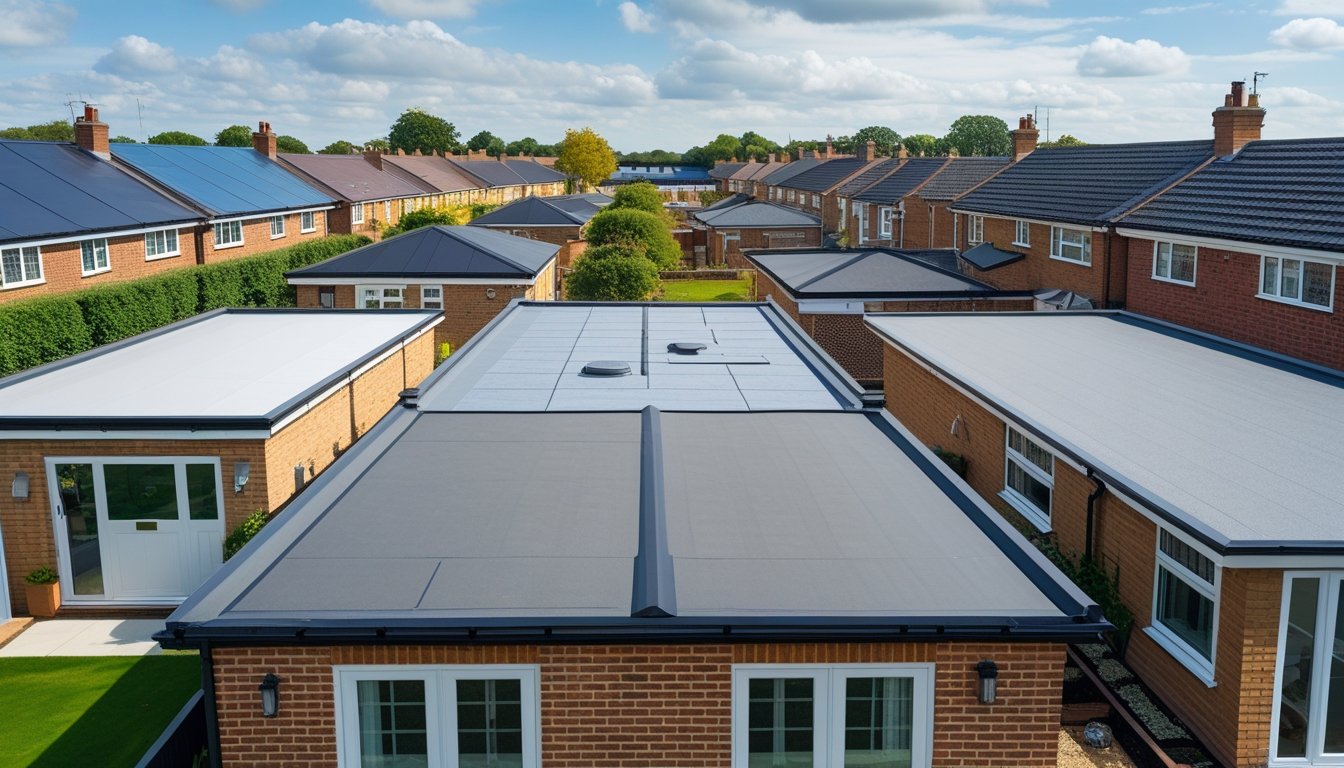
Selecting the right flat roof system can greatly influence the longevity and efficiency of your building. Let's explore the strengths and particularities of different flat roofing materials and methods available in the UK.
Single-Ply Membranes: EPDM, PVC, and TPO
Single-ply membranes are popular for their flexibility and ease of installation. EPDM (Ethylene Propylene Diene Monomer) is a durable rubber membrane known for its excellent weather resistance and longevity. Typically, it lasts between 25 to 30 years, requiring minimal maintenance. PVC roofing offers excellent chemical and fire resistance, making it ideal for commercial roofs. Its reflective surface enhances energy efficiency. TPO (Thermoplastic Olefin) membranes provide robust UV protection and resist pollutant damage, making them a cost-effective choice. The membranes generally come in large sheets, reducing the number of seams and thus the risk of water leakage.
Traditional Solutions: Felt, BUR, and Modified Bitumen
Traditional flat roof systems like torch-on felt, Built-Up Roofing (BUR), and Modified Bitumen have their unique advantages. Felt roofing is cost-effective and straightforward to install. It's often applied in layers, enhancing its waterproofing properties. BUR involves alternating layers of bitumen and reinforcing fabrics, resulting in a highly waterproof roof. Modified Bitumen, a modern variation of BUR, incorporates additional polymer modifiers, improving flexibility and resistance to extreme temperatures. These systems require professional installation for optimal performance. Their maintenance usually involves periodic checks for cracks or other damage and re-sealing seams when necessary.
Modern Innovations: GRP Fibreglass and Green Roofs
GRP (Glass Reinforced Plastic) fibreglass is a modern roofing solution gaining popularity due to its durability and seamless application. Known for its high tensile strength, GRP provides a watertight finish and impressive chemical resistance. Installation involves applying a liquid to a fibreglass mat, forming a seamless finish that's light yet tough. Green roofs, or sedum roofs, offer environmental benefits by improving insulation and reducing water runoff. These systems support vegetation atop a waterproof membrane, creating a rooftop garden or green space. They are ideal for urban settings looking to reduce carbon footprints and enhance aesthetics but require regular maintenance to sustain plant health.
Flat Roof Installation, Maintenance and Repairs
Proper installation and maintenance are critical for ensuring the longevity of any flat roof. Professional services are recommended for installation to avoid common pitfalls like water pooling, inadequate drainage, or membrane damage. Regular roof maintenance, including inspections to detect potential leaks or water pooling, extends a roof's lifespan. Gutter cleaning and ensuring effective drainage systems are in place prevent water accumulation, which can lead to structural damage over time. In the instance of repairs, addressing issues like membrane tears promptly is vital to maintaining the roof’s protective properties. Regular checks and potential refinements to insulation also improve energy efficiency.
Frequently Asked Questions
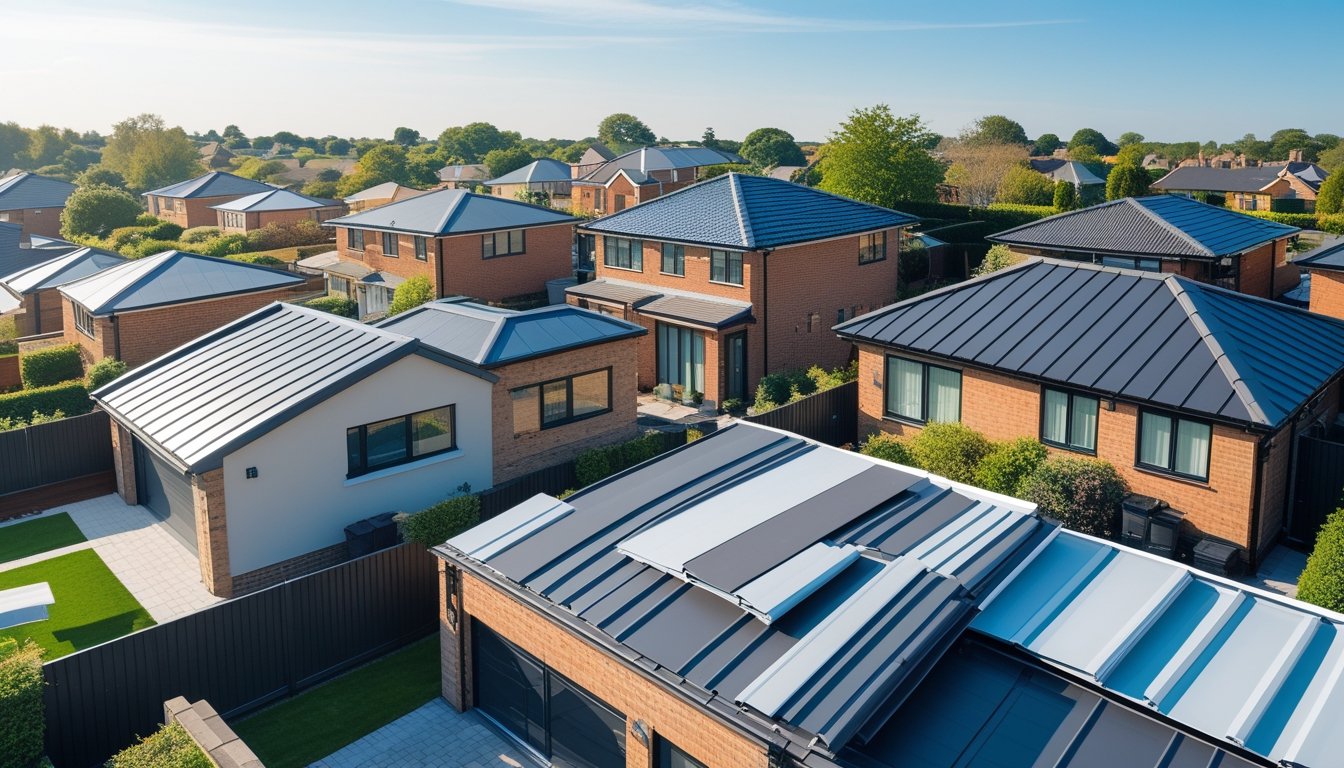
Understanding the nuances of flat roofing options is crucial for making informed decisions for UK homes. From durability and insulation to costs and regulations, we address several key questions related to flat roofs.
What are the most durable flat roof materials suitable for UK weather conditions?
Flat roofs in the UK must withstand various weather conditions, including heavy rainfall and fluctuating temperatures. Materials such as EPDM rubber offer excellent durability, withstanding UV rays and temperature variations. Additionally, GRP fibreglass is notable for its strength and low maintenance needs, making it a solid choice for long-term use.
How does the insulation performance vary among different flat roof styles in the UK?
Insulation efficiency varies significantly among flat roof styles. Warm flat roofs, which position insulation above the structural deck, provide effective thermal performance. Cold flat roofs, with insulation inside the ceiling space, may be less efficient. Inverted flat roofs add insulation above the waterproof layer, enhancing energy efficiency and minimising thermal bridging.
What maintenance considerations should be taken into account for a flat roof in a UK home?
Proper maintenance is key to the longevity of flat roofs. Regular inspections to check for ponding water, membrane damage, and blocked drainage systems are essential. Timely repairs and the use of professional services when necessary can prevent minor issues from escalating into major problems.
How do building regulations in the UK impact flat roof design and construction?
UK building regulations significantly influence flat roof design, focusing on insulation and fire safety. Compliance with Part L concerning thermal performance is crucial. Additionally, flat roofs must adhere to fire safety standards, particularly if used for access or as terraces, ensuring no compromise on safety.
Can you integrate green roofing or solar panels with flat roofing in UK homes, and what are the implications?
Integrating green roofs or solar panels can enhance energy efficiency and sustainability. Green roofs offer environmental benefits but require consideration of structural support and waterproofing. Solar panel integration requires evaluating the roof's orientation and load capacity to maximise energy capture without compromising the roof's integrity.
What are the cost comparisons for the various flat roof options available to UK homeowners?
The cost of flat roofs in the UK varies by material. EPDM presents a cost-effective choice due to its durability and minimal maintenance. Felt roofs may have lower initial costs but higher long-term expenses due to increased maintenance and shorter lifespan. GRP fibreglass, while more expensive upfront, is cost-efficient over its lifetime due to its robustness and low repair needs.