
Late updated: 22 Dec 2025 09:12
Written by: Oliver Bennett
Enhancing UK Roofs With Innovative Solar Solutions: A Sustainable Future
Harnessing the power of solar energy is crucial as the UK advances towards a more sustainable future. Recent innovations have made solar roofing solutions more efficient, accessible, and aesthetically pleasing. These cutting-edge advancements allow homeowners to effortlessly integrate solar technology into their rooftops, achieving both energy independence and increased property value. By pairing modern design with functionality, solar solutions are becoming an indispensable part of sustainable living.
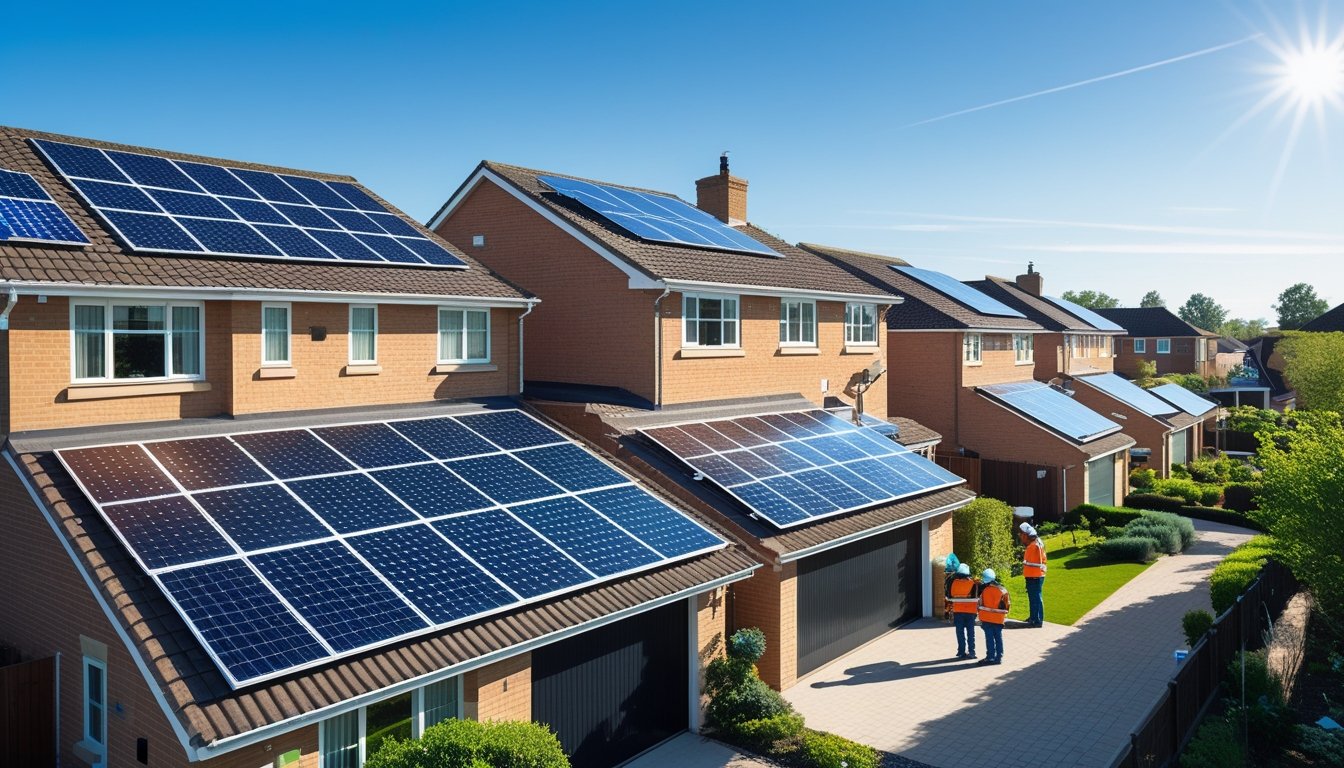
Our exploration in this blog post delves into the specifics of solar innovations transforming UK homes. These advancements include solar panels integrated directly into roofing tiles and smart technologies designed to optimise energy efficiency. This seamless integration not only elevates the visual appeal of properties but also strengthens energy efficiency credentials, setting new standards in modern architecture.
Numerous benefits arise from embracing solar technologies on our rooftops. They reduce carbon footprints, lower energy bills, and enhance the overall resilience of the national energy grid. As we consider these technologies, it's evident that they don't just provide environmental benefits but also economic advantages, potentially turning our homes into energy-efficient powerhouses.
Key Takeaways
- Innovative solar roofing enhances UK homes' energy efficiency.
- Integrating solar technology offers aesthetic and economic benefits.
- Solar solutions contribute to a more sustainable built environment.
Innovative Solar Solutions for UK Roofs
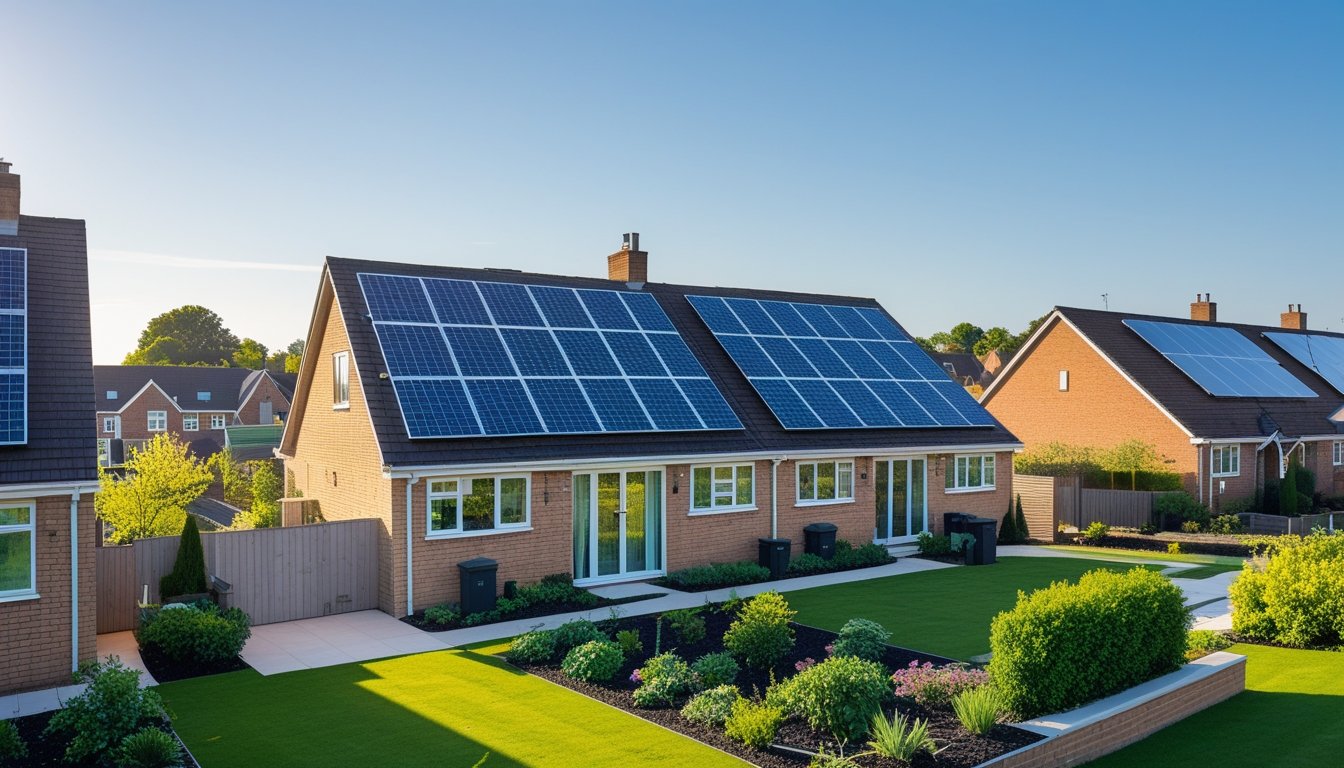
As roofing technology evolves, UK homes are increasingly adopting cutting-edge solar solutions. These advancements offer energy efficiency, aesthetic improvements, and contribute to sustainable living. Let us delve into the specifics of these innovations.
Integrated Solar Roofing Systems: Approaches and Benefits
Integrated solar roofing systems offer a seamless energy transformation for roofs by embedding solar panels directly into roofing materials. These systems replace conventional tiles or shingles, ensuring that the solar panels blend with the overall look of the roof. Homeowners benefit from enhanced aesthetics without compromising on energy efficiency. Such integration reduces the need for additional roof space and safeguards against weather damage. By incorporating photovoltaics into the building structure, these systems contribute to energy independence and highlight a home's commitment to sustainable energy.
Cutting-Edge Solar Panel Technologies for UK Homes
The latest solar panel technologies tailored for UK homes include perovskite, bifacial, and transparent solar panels. These panels maximise efficiency, even in low-light conditions typical of the UK climate. Perovskite panels are lauded for their flexibility and potential cost-effectiveness. Bifacial panels can capture solar energy from both sides, increasing the overall energy output. Meanwhile, transparent solar panels allow for creative installations, including windows and skylights, enhancing architectural value while generating renewable energy. These advancements can offer notable energy savings and efficiency improvements, aligning with the evolving Future Homes Standard.
Solar Shingles, Tiles, and BIPV: Modern Roof Integration
Solar shingles and tiles, part of the building-integrated photovoltaics (BIPV), are revolutionising modern roof integration. They function like traditional roofing materials but incorporate solar cells to harness energy. This integration is perfect for those wanting to retain roof aesthetics while reaping solar benefits. Solar shingles are durable and barely distinguishable from conventional shingles, offering a stylish solution for new build or complete roof remodelling. BIPV systems are strategically designed to replace roofing elements, promoting energy independence without sacrificing design integrity.
Energy Storage and Smart Home Integration With Solar Roofs
Energy storage has become integral to modern solar roofing solutions, allowing homeowners to store excess energy generated by solar systems in batteries for later use. This ensures energy availability during cloudy days or at night, enhancing efficiency and reliability. Moreover, integrating these systems with IoT-enabled smart home technologies offers automation capabilities, enabling users to monitor and manage energy usage effectively. Smart energy management not only improves comfort and convenience but also reduces overall energy costs, firmly rooting solar technologies within the growing domain of smart roofing technologies. These systems exemplify a future-ready approach, driving UK's transition towards sustainable living.
Sustainable Roofing Innovations and Environmental Impact
Sustainable roofing systems in the UK are making significant strides in reducing environmental impact while enhancing building efficiency. With the integration of green roofs, advanced materials, and regulatory support, these innovations collectively work towards a more sustainable future.
Green Roofs and Biosolar Roofs: Enhancing Biodiversity and Insulation
Green roofs, consisting of vegetation layers, provide urban environments with numerous ecological benefits, such as improving biodiversity and aiding stormwater management. Incorporating plants and soil on rooftops creates habitats for wildlife, contributing to urban ecosystems and biodiversity. These roofs also offer natural insulation, reducing energy costs by maintaining comfortable building temperatures and mitigating the urban heat island effect.
When combined with biosolar systems, which merge green roofing with solar technology, these installations maximise energy efficiency. Biosolar roofs not only generate renewable energy but also improve the solar panels' efficiency by regulating temperature. As we focus on sustainable construction, these multifunctional roofs are vital in enhancing the environmental benefits of buildings and boosting property value.
Eco-Friendly Materials and Advanced Insulation for UK Roofs
Incorporating eco-friendly roofing materials is essential to advancing sustainability in construction. Utilising materials such as recycled metal roofs and cool roofs with reflective coatings significantly reduces the carbon footprint of buildings. These materials not only provide effective thermal insulation but also contribute to long-term energy efficiency and reduced energy costs.
Advanced insulation materials, including innovative waterproofing and weather-resistant options, enhance a roof's longevity and performance. By adopting modern insulation strategies, we can improve a structure’s overall energy performance. Such efforts align with the principles of the circular economy, ensuring that resources are used efficiently and responsibly.
Regulations, Incentives, and Building Design Considerations
Regulatory frameworks and government incentives play a crucial role in encouraging sustainable roofing practices. Building regulations that mandate energy efficiency and environmentally friendly materials are vital in promoting sustainable construction practices. Government incentives, such as financial grants or tax benefits, encourage homeowners and developers to invest in eco-friendly roofing solutions.
Consideration of roof orientation and local climate conditions are fundamental aspects of building design. These factors influence the selection of appropriate materials and technologies, ensuring optimal performance and compliance with regulations. By adhering to these guidelines, we contribute to a sustainable construction industry, reducing our environmental impact and improving our buildings' energy performance.
Frequently Asked Questions
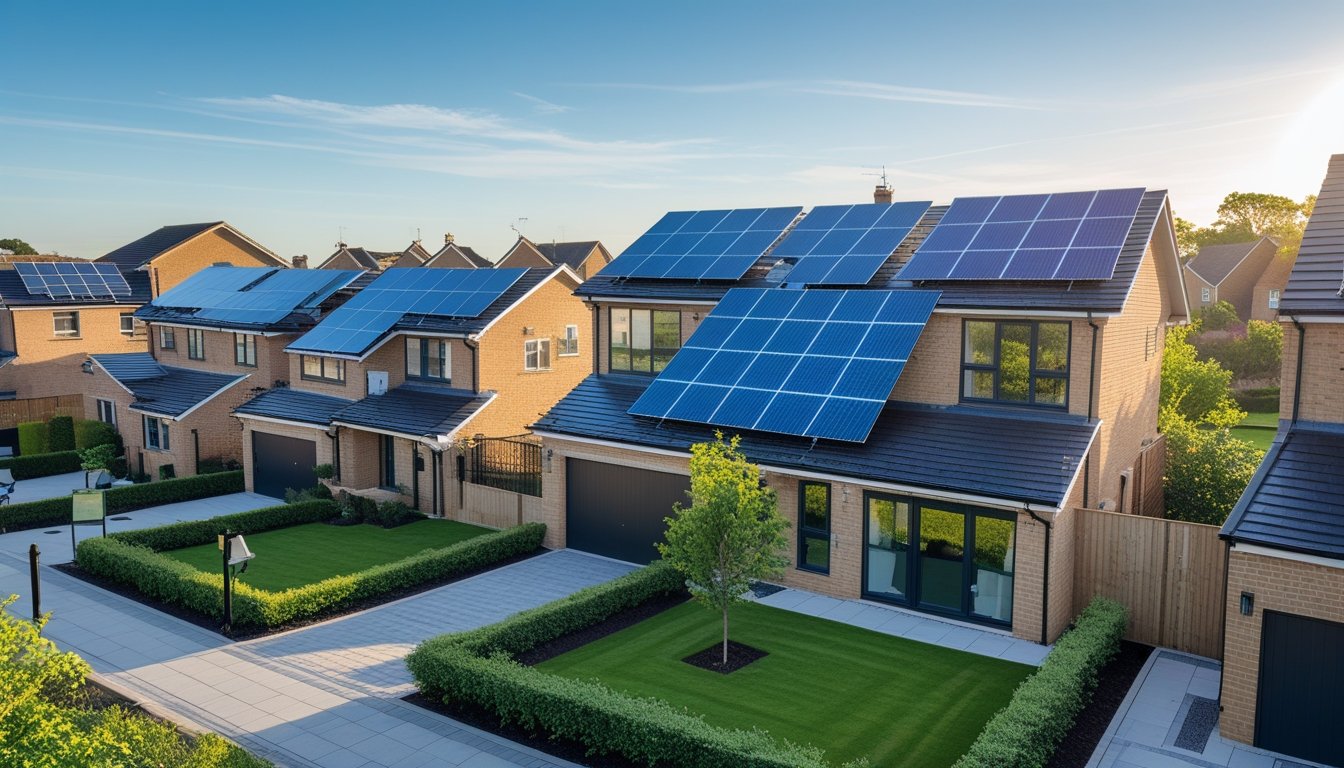
Integrating the latest solar solutions with UK roofing presents various questions about technology advances, costs, and environmental impacts. Our aim is to address some of these frequently asked questions with concise and specific information.
What are the latest advancements in solar roofing technology in the UK?
Recent advancements include integrated solar roofing systems, which combine solar panels directly with roofing materials, enhancing aesthetics and efficiency. These systems are designed to blend with existing architectural styles, eliminating the need for bulky, traditional panels.
How cost-effective are solar solutions for domestic roofs in the UK?
The cost-effectiveness of solar roofing solutions has improved significantly in recent years. While initial installation costs can be high, the reduction in energy bills and potential earnings from selling excess electricity back to the grid provide financial benefits over time.
What government incentives are available for installing solar panels on roofs within the UK?
Various government incentives aim to support solar adoption. The Smart Export Guarantee (SEG) allows homeowners to earn money by exporting surplus energy to the grid. Additionally, reduced VAT rates on solar panel installations further ease the financial burden.
Can solar panels be integrated into existing roofing structures in British homes?
Yes, solar panels can be integrated into existing roofing structures. Advanced technology and innovative design solutions enable panels to be added with minimal disruption. This integration often enhances the home's energy efficiency and visual appeal.
How do solar roof solutions impact the energy efficiency of UK buildings?
Solar roof installations significantly improve the energy efficiency of buildings by reducing reliance on fossil fuels. By generating clean, renewable energy, these systems contribute to lower energy consumption and reduced carbon emissions.
What are the environmental benefits of adopting solar roofing in the UK?
Adopting solar roofing offers considerable environmental benefits. It decreases carbon footprints and dependence on non-renewable energy sources. Furthermore, it promotes sustainable energy use by converting sunlight into electricity with no pollution or greenhouse gas emissions.