
Late updated: 24 Dec 2025 15:12
Written by: Oliver Bennett
Maximising UK Roof Lifespan: Proper Maintenance Techniques
Maintaining a roof in top condition is crucial for any UK homeowner. The roof is a home's primary shield against the elements, and over time, it can see significant wear. By employing effective maintenance techniques, we can drastically increase the lifespan of our roofs, saving money and avoiding unnecessary stress. The unpredictable UK climate requires diligent care to preserve the integrity of roofing materials, which can be costly to repair or replace if neglected.
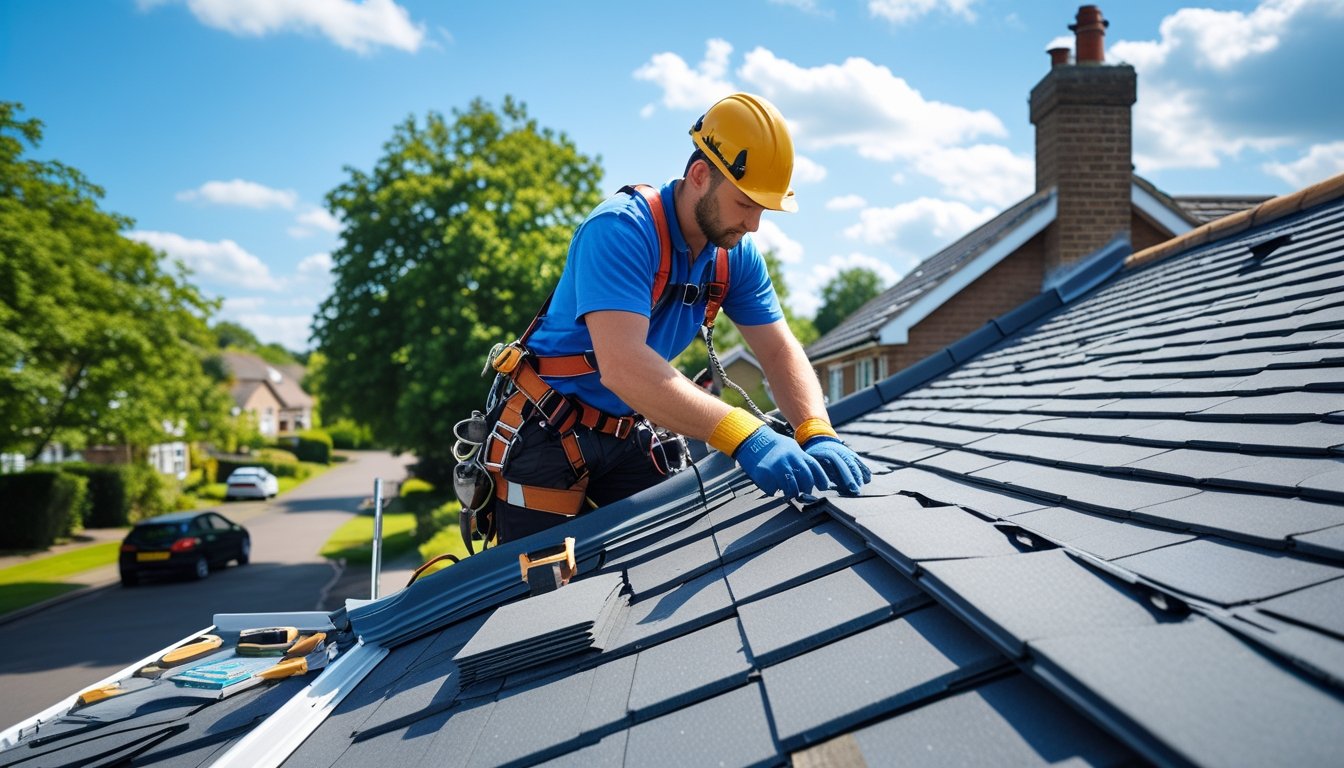
Understanding the factors influencing a roof's longevity is essential. From material choices to installation practices, each plays a pivotal role. Regular inspections and maintenance routines are invaluable in identifying potential issues early. Small problems, when unattended, can escalate to major repairs. Our focus on preemptive measures not only ensures durability but also maximises the roof's lifespan.
Key Takeaways
- Routine maintenance extends roof lifespan.
- Identifying issues early prevents costly repairs.
- Material and installation choices matter significantly.
Critical Factors Influencing UK Roof Lifespan
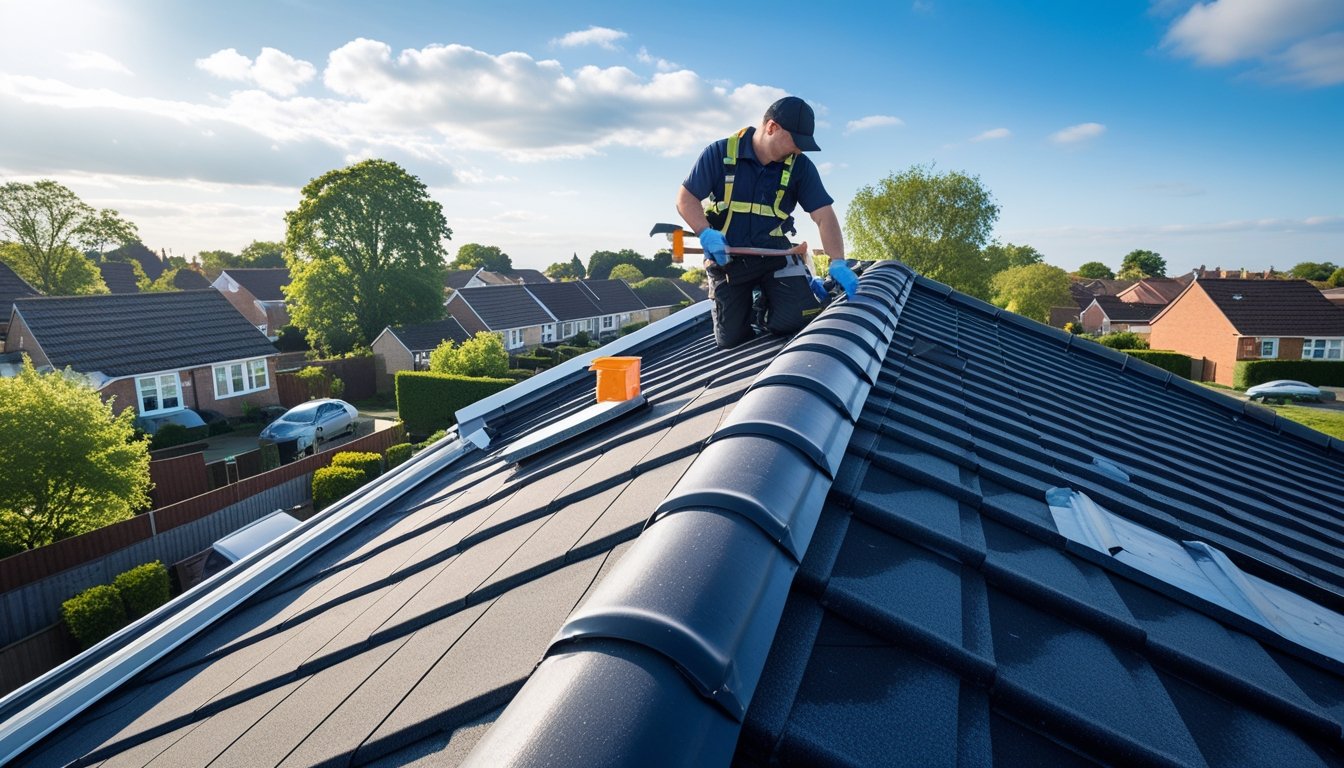
Understanding the diverse elements that significantly impact roof longevity is crucial. For UK homeowners, the durability of a roofing system depends heavily on local climate conditions, the choice of roofing materials, and the quality of installation. Each of these factors plays a distinct role in ensuring the roof withstands time and weather effectively.
Impact of Local Climate and Weather Patterns
The UK is characterised by a mix of rain, wind, and changing temperatures, all of which can affect roof lifespan. British weather is notorious for heavy rainfall that can test a roof's waterproofing capabilities. Regions with frequent storms or high winds may see faster wear on roofing materials, leading to potential damage and leaks. Freeze-thaw cycles, particularly in winter, can also cause roofing materials to expand and contract, leading to cracks or structural weakening. We should consider specific weather challenges our region faces and select roofing solutions that offer strong resistance against these elements. For example, ensuring proper drainage and ongoing maintenance can mitigate negative impacts.
Significance of Roofing Materials
Choosing quality roofing materials is paramount to extending roof lifespan. In the UK, slate and clay tiles are favoured for their durability and ability to endure wet conditions. Slate roofs can last up to 200 years with proper care, while clay and concrete tiles are also resilient. Conversely, materials like asphalt shingles, though popular, have a shorter lifespan, generally between 20 and 30 years. Metal roofs, known for their robustness and energy efficiency, provide another durable option. Our selection of roofing material should factor in local climate, desired aesthetic, and the maintenance frequency we’re willing to commit to.
Importance of Quality Installation and Workmanship
Even with top-tier materials, poor installation can dramatically reduce roof longevity. Ensuring the roof is installed by experienced professionals is critical. Workmanship affects the roof's initial integrity and how well it handles weather stress. Proper installation includes securing materials adequately, ensuring insulation and ventilation systems are effective, and checking for any potential water ingress points. Regular inspections post-installation can identify workmanship issues early, allowing for timely repairs. Opting for professional and certified installers, who follow best practices, will maximise the durability of our roofing system and prevent costly repairs in the future.
Essential Maintenance Techniques for Prolonged Roof Lifespan
A well-maintained roof ensures longevity and reduces the risk of unexpected repairs. Here, we discuss techniques that address inspections, repairs, cleaning, and protective measures to keep your roof in prime condition.
Regular Roof Inspections and Condition Checks
Conducting regular roof inspections is crucial for identifying issues before they escalate into costly problems. We recommend scheduling professional roof inspections twice a year, ideally during spring and autumn. These inspections should include checking for missing shingles, cracked tiles, or damaged flashing. Additionally, examining fascia boards and roof penetrations helps ensure the roof's structural integrity is intact. By spotting roof leaks or water stains early, we can implement necessary repairs swiftly, preventing more serious issues like water damage. A disciplined routine of roof inspections contributes directly to extended roof longevity.
Timely and Effective Roof Repairs
Addressing minor roof problems before they become major concerns is key. Roof leaks, damaged flashing, or missing tiles should be repaired promptly. Prompt repairs can prevent secondary damage to the underlying structure, thus avoiding more extensive repairs or even roof replacement in the future. Working with qualified roofing contractors ensures that repairs are done correctly. Their expertise helps in selecting the right materials and applying the best solutions for specific issues. Regular maintenance paired with swift and effective repairs extends the roof’s lifespan considerably.
Roof Cleaning, Moss, and Algae Prevention
Regular cleaning prevents moss and algae growth, which can cause long-term damage. Moss growth can retain moisture against the roof surface, leading to deterioration and leakage. We recommend using gentle cleaning methods such as a soft brush or a low-pressure wash. Applying a preventative treatment or roof coating adds an extra layer of protection against future growth. Clean gutters and drainpipes to ensure proper water flow. A clean roof not only looks appealing but also mitigates risks associated with moisture retention.
Seasonal and Post-Storm Maintenance Strategies
Every season poses unique challenges for roofs. Seasonal maintenance involves assessing the roof for condition changes prompted by different weather conditions. Post-storm inspections are vital to identify roof damage from heavy rain, wind, or snow. Inspect for loose shingles, cracked tiles, or any displaced components promptly after severe weather events. Performing debris removal and checking for standing water aids in preventing further issues. A proactive approach to seasonal checks maintains roof integrity throughout the year.
Gutter Maintenance and Drainage Solutions
Gutters play an essential role in roof drainage, preventing water accumulation that can damage roof materials. Regular gutter cleaning avoids blockages and ensures water flows correctly away from the property. Installing gutter guards can reduce debris build-up, making maintenance simpler. It's vital to observe for blocked gutters and eliminate standing water that may lead to roof leaks. Efficient drainage solutions protect roof longevity by minimising the risk of water damage.
Optimising Attic Ventilation and Loft Insulation
Proper attic ventilation and loft insulation reduce the risk of moisture build-up and heat accumulation. Ensuring a good airflow prevents heat from getting trapped, which can cause damage to roof materials. Well-maintained ventilation extends the health of both the roof and attic space. Assess periodically for any ventilation blockages and ensure insulation remains effective, particularly in preventing heat loss during colder months. These measures not only prolong the roof's life but also improve energy efficiency.
Protective Roof Coatings and Treatments
Applying protective roof coatings helps shield the roof from harsh weather and environmental conditions. These treatments can enhance the roof’s resistance to UV rays, which often cause material degradation. Some coatings also offer water-repelling properties, reducing the likelihood of leaks. Consult with roofing maintenance services to determine the best type of coating for your specific roof, whether it's a flat roof or otherwise. Preventive treatments can be an effective supplement to regular maintenance routines, significantly enhancing your roof's durability and lifespan.
Frequently Asked Questions
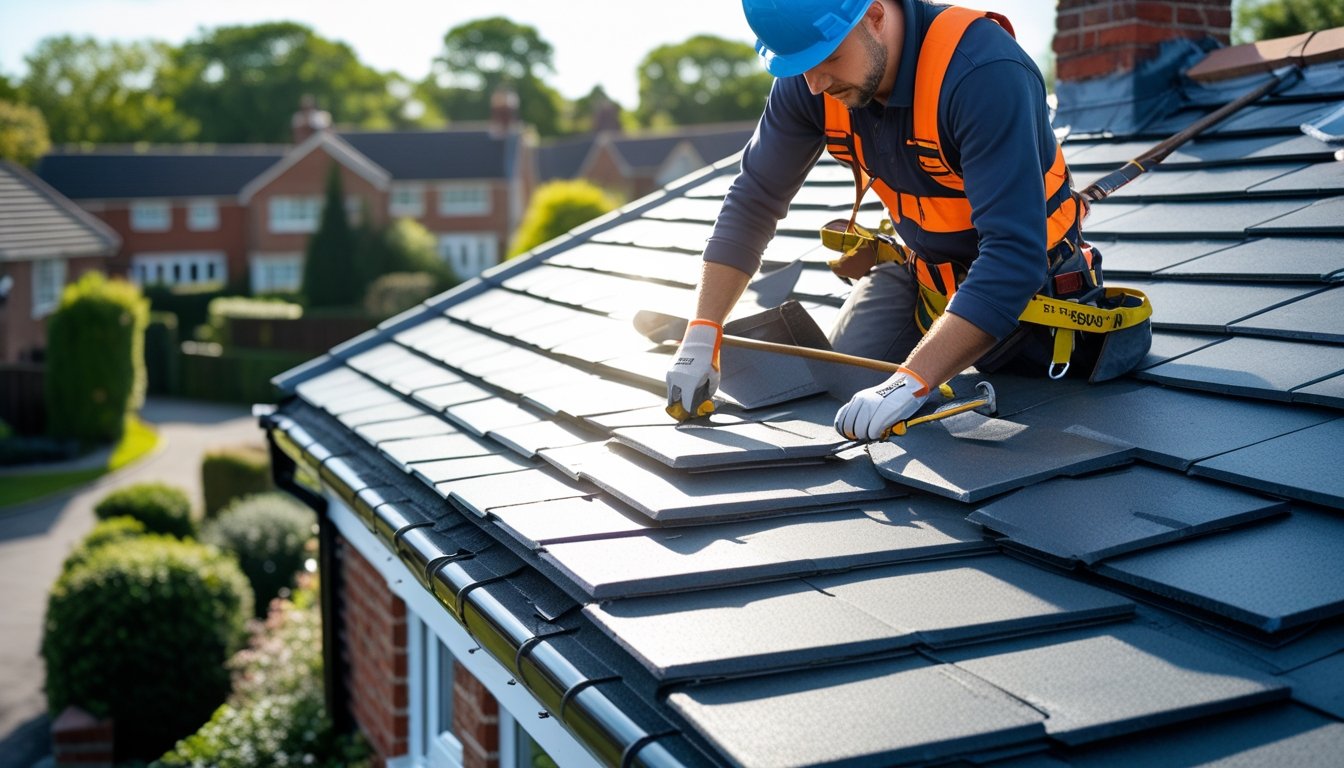
Proper maintenance of a roof is crucial for ensuring its longevity, particularly in the UK's unique climate. Let's address some common questions about maintaining a roof effectively to help prevent future problems.
What are the essential steps for maintaining a roof in the UK to ensure its longevity?
Ensuring a roof's longevity involves routine tasks such as regular inspections, cleaning debris from the surface, and checking for any damaged or missing tiles. These actions help protect against the wear caused by the UK's variable weather conditions.
How often should a UK roof be inspected to prevent long-term damage?
We recommend inspecting roofs at least twice a year, ideally in spring and autumn. This schedule allows us to spot potential issues before the harsh weather of summer or winter can exacerbate them.
What specific maintenance tasks are crucial for the different seasons in the UK?
Seasonal maintenance is key. In winter, check for ice dams and clear snow as needed. Spring is ideal for repairing any winter damage. Summer is the time for thorough cleaning and addressing any weathering, while autumn focuses on preparing for the coming winter by ensuring gutters and drains are clear.
Can regular gutter cleaning extend the life of a roof, and if so, how should it be performed effectively?
Yes, regular gutter cleaning is vital. Clogged gutters can lead to water damage and deterioration. Clean gutters at least twice a year, removing leaves and debris to allow water to flow freely. Doing this prevents overflow and potential roof damage.
What are the signs of roof deterioration that homeowners should look out for?
Signs include cracked, curled, or missing tiles, leaks inside the home, and growth of moss or algae. Another indication might be an increase in energy bills due to poor insulation as a result of roof damage.
What professional roofing maintenance services are recommended for UK homes?
We suggest periodic professional inspections, cleaning services, and repairs for damaged or aged parts. Professional roofers can provide a more thorough check and ensure small issues don't turn into major problems, safeguarding our investment in our homes.