
Late updated: 20 Dec 2025 08:12
Written by: Oliver Bennett
Innovative Ways To Protect Your UK Roof From Pests: Effective Strategies For Long-Term Prevention
In the UK, our roofs stand as the first line of defence against not only the elements but also lurking pests. With these nuisances ready to exploit any vulnerability, maintaining a steadfast barrier above our heads is paramount. To safeguard your roof from pest invasions, innovative methods like spray foam application and using copper mesh and essential oils for sealing entry points offer robust protection. These techniques enhance the structural integrity of your roof, effectively keeping rodents, birds, and insects at bay.
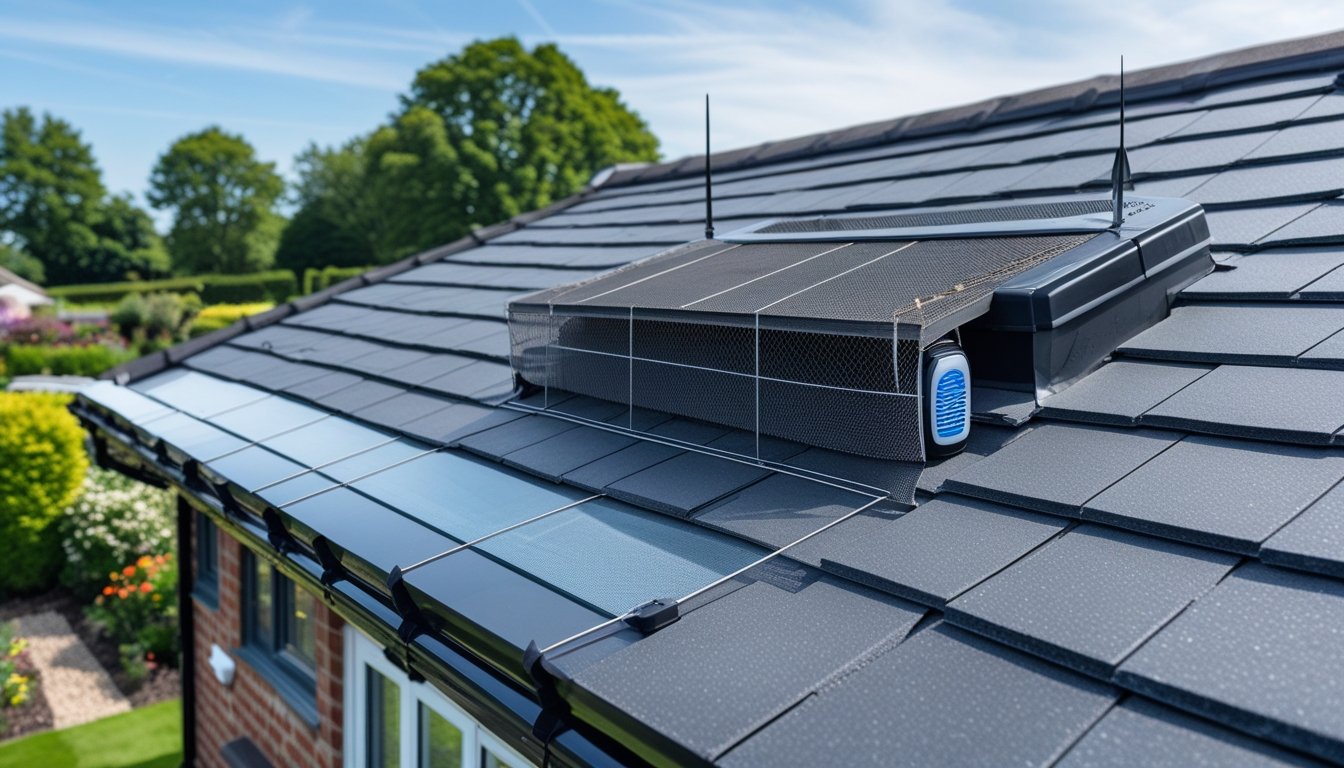
While traditional methods focus on large-scale solutions, today's technological advancements provide us with more tailored and effective options. By integrating these new strategies with regular inspections, we can ensure our roofs remain resilient to pest threats. As homeowners, it’s vital to remain proactive and informed about the solutions that keep our living spaces secure.
Key Takeaways
- Innovative sealing methods offer enhanced pest protection.
- Regular maintenance ensures ongoing roof integrity.
- Proactive strategies keep pests at bay.
Key Strategies to Protect Your UK Roof from Pests
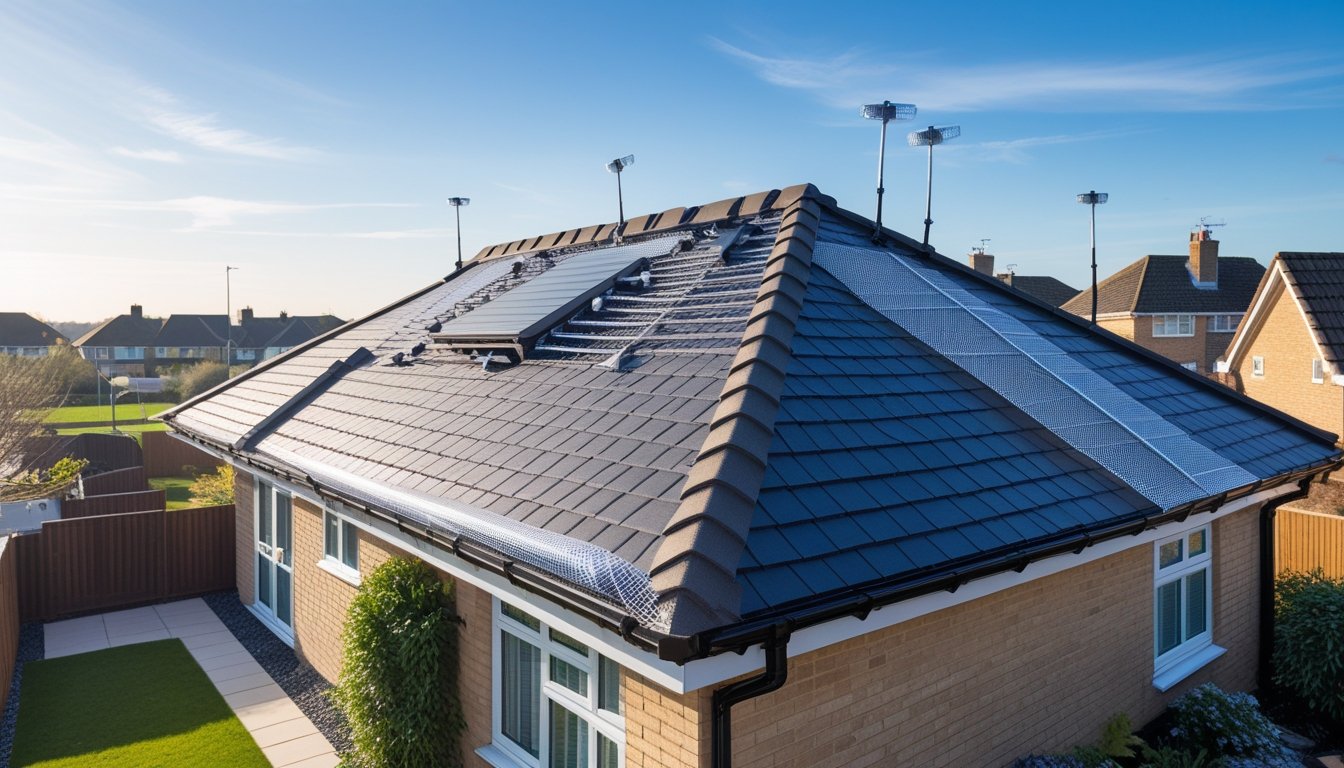
Living in the UK, we're often faced with various pests that threaten the integrity of our roofs, from birds and rodents to insects and squirrels. To effectively tackle these nuisances, we focus on several strategies, such as identifying the pests, sealing entry points, selecting suitable materials, and using deterrents.
Identifying Common Roof Pests and Their Risks
In the UK, our roofs face threats from a variety of pests, including birds, rodents, insects, and squirrels. Birds, particularly pigeons and seagulls, often nest on rooftops. Their droppings are not only unsightly but can also accelerate the wear and tear of roofing materials. Rodents, such as rats and mice, can gnaw through wooden structures and insulation, leading to potential water damage and increased heating costs.
Insects, including ants and moths, can invade through tiny gaps in search of warmth and shelter. Squirrels are known to nest in attics, where they cause structural damage with their constant gnawing. Recognising these pests and understanding their risks is the first step in formulating an effective defence strategy for our roofs.
Sealing Entry Points and Vulnerabilities
A crucial method of pest control involves sealing any potential entry points. Chimney caps are effective in preventing birds and other small animals from entering through chimneys. Vent covers should be installed to block access and maintain ventilation. Birds, squirrels, and rodents often seek out attic spaces, so sealing gaps with caulk or expanding foam is essential to prevent entry.
It's important to check for vulnerabilities, such as loose shingles or damaged flashing, which can serve as gateways for pests. Regular inspections help us maintain the integrity of these barriers, reducing the likelihood of infestations. Ensuring these entry points are sealed helps provide a robust defence against unwanted intruders.
Selecting Pest-Resistant Roofing Materials
When it comes to choosing roofing materials, selecting those that deter pests can be highly beneficial. Metal roofing is a strong choice; it resists the gnawing of rodents and provides no nesting opportunities for birds. Additionally, slate tiles are durable and less likely to be dislodged by larger pests.
Insects tend to avoid certain materials treated with repellents. Opting for treated wood or incorporating pest-resistant barriers can add an extra layer of protection against infestations. By making strategic choices in materials, we enhance our roof's defences against pests.
Employing Deterrents and Repellents
Using deterrents and repellents can be a practical approach to protecting our roofs. Bird spikes, for example, can be installed to prevent birds from roosting on ledges and ridges. These spikes are harmless and simply make the area uncomfortable for birds to land.
Natural repellents, such as peppermint or citronella oils, can be effective against insects. These can be placed near potential entry points to create an unpleasant environment for pests. For larger animals, such as squirrels, motion-activated sprinklers or sonic devices can help to scare them away without causing harm. Implementing these tools can reduce the risk of pest infestation, keeping our roofs secure.
Professional Solutions and Ongoing Maintenance for a Pest-Free Roof
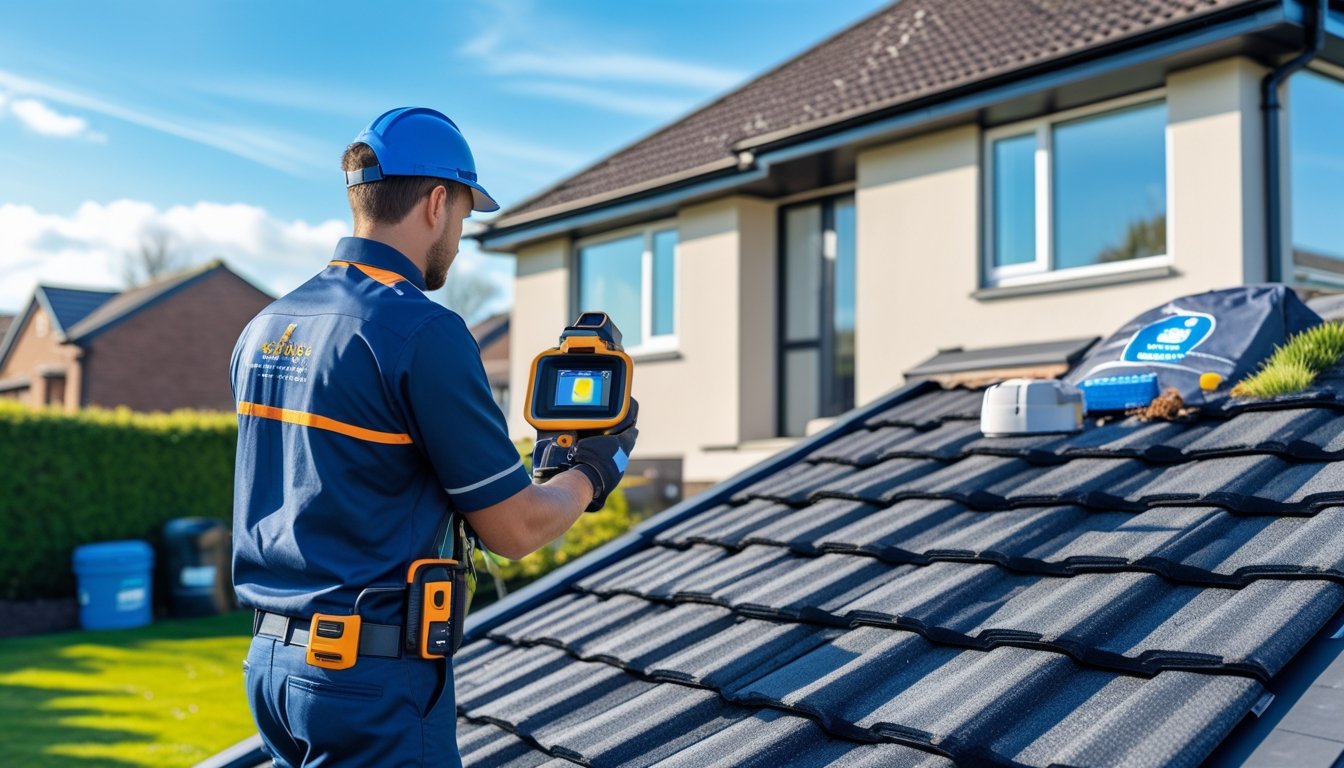
Ensuring our roofs remain free from pests requires a blend of professional services and consistent upkeep. By engaging pest control experts when necessary, we can protect our homes from invasive critters. Routine inspections and effective repair strategies are essential components of maintaining a healthy roof structure and preventing pest infestations.
When to Call a Pest Control Professional
Identifying when to call a pest control professional is crucial to keeping our roofs pest-free. If we notice signs of a potential infestation, such as droppings, chewed materials, or frequent pest sightings, it’s time to seek expert help. Professional pest control technicians have the specialised knowledge and tools needed to effectively eliminate pests that have established themselves.
We must also consider a pest control service if we've had previous infestations or live in areas prone to certain pests. Early intervention can prevent damage and additional costs. Utilising the expertise of a pest control professional, we can formulate a comprehensive pest prevention plan tailored specifically to our roof's needs.
Roof Inspection and Regular Maintenance
Routine roof inspection is critical in identifying issues that could attract pests. Inspecting for damaged shingles, clogged gutters, and overhanging tree branches forms an essential part of our preventative strategy. Neglected maintenance can provide entry points and shelter for pests such as birds, rodents, and insects.
Scheduled inspections allow us to address minor problems before they escalate into significant damage or infestations. Working closely with a roofing contractor ensures that any signs of wear and tear are promptly repaired. Regular trimming of overhanging branches helps to eliminate access routes for pests, further protecting our roofs.
Effective Roof Repairs after Pest Damage
Despite preventive efforts, damage may sometimes occur due to pests. In these cases, timely and effective roof repairs are necessary to restore our roof’s integrity. Engaging with a professional roofing contractor ensures that any compromised areas are properly fixed, preventing further pest access or damage.
We need to focus especially on sealing potential entry points such as gaps around vents, chimneys, and skylights. Choosing the right materials for repairs can strengthen vulnerable areas. If damage is extensive, roof replacement might be required. With the help of skilled professionals, we can ensure our roofs remain robust and resistant to future pest invasions.
Frequently Asked Questions
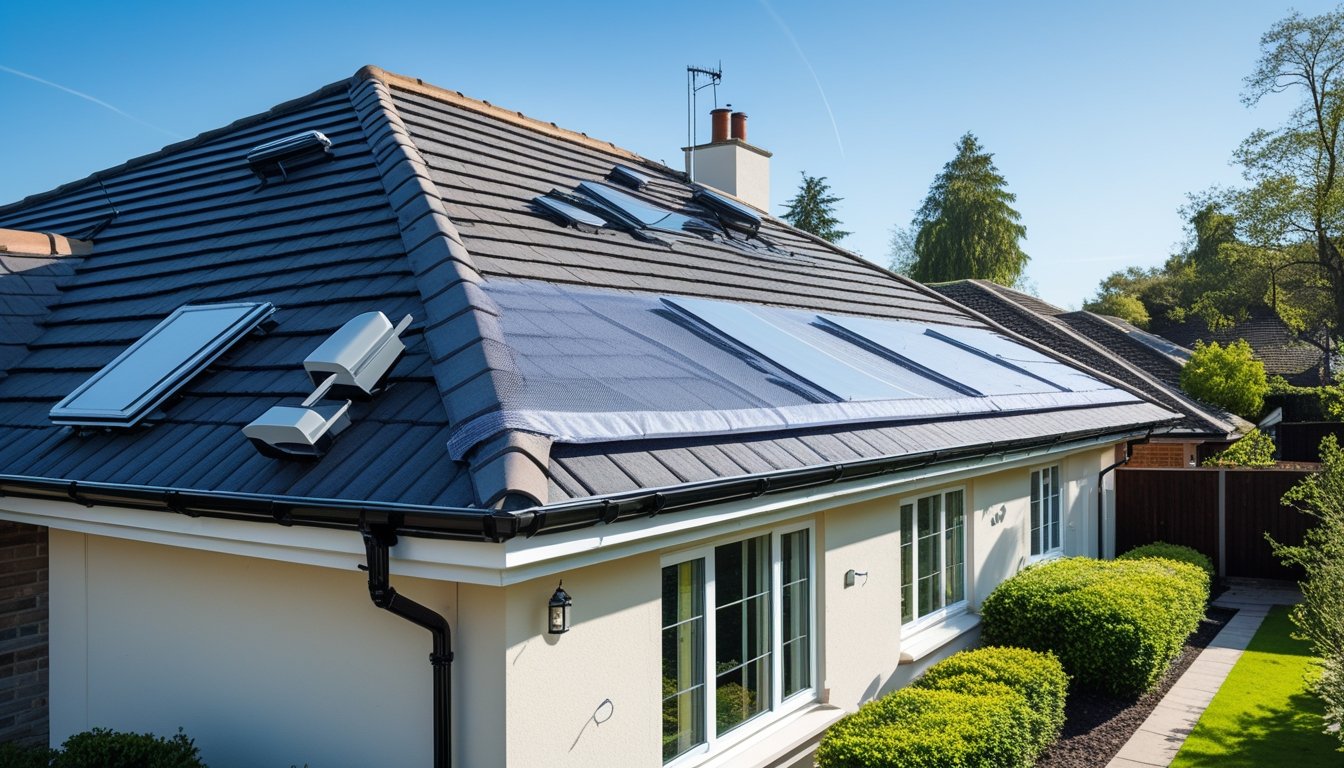
In protecting UK roofs from pests, various measures can be taken, from preventing bird nesting under roof eaves to engaging in regular roof maintenance as a form of pest control. We aim to address some common inquiries regarding these protective strategies.
What are the most effective methods for preventing bird nesting under roof eaves?
To prevent birds from nesting under roof eaves, we recommend installing bird spikes or netting. These solutions create a physical barrier, making it difficult for birds to settle. Another strategy is to use bird gels, which discourage nesting without causing harm.
How can one install roof deterrents for pigeons without causing damage to the structure?
When installing roof deterrents for pigeons, care must be taken to avoid structural damage. Adhesive strips for spikes and nets can be used instead of screws. This method maintains the integrity of tiles and shingles while still providing effective pigeon deterrence.
What are the best practices for sealing roof gaps to keep out rodents?
Sealing roof gaps effectively requires high-quality materials such as mesh or sealant around susceptible areas like vents and chimneys. It's essential to regularly inspect and maintain these seals to ensure they remain intact and effective against rodent intrusion.
In what ways can regular roof maintenance contribute to pest control?
Regular roof maintenance plays a vital role in pest control by identifying and addressing potential entry points. Inspections should focus on spotting early signs of infestation. Keeping gutters and roof areas clean also reduces conditions attractive to pests.
How can a homeowner safely remove wasp nests from roof spaces?
Removing wasp nests safely involves protective clothing and appropriate insecticide spray. It’s crucial to approach the task cautiously, preferably during cooler hours when wasps are less active. For safety, hiring a professional is advisable if the nest is large or difficult to access.
What sustainable solutions are available for mitigating insect infestations in roofs?
To mitigate insect infestations sustainably, consider using natural repellents or biological controls that target specific pests. Additionally, encouraging insect predators like birds by installing bird boxes can reduce pest numbers naturally. Using environmentally friendly materials can also prevent insect issues without harmful chemicals.