
Late updated: 03 Jan 2026 12:01
Written by: Oliver Bennett
Innovative Chimney Pot Ideas for British Homes: Enhancing Aesthetic and Functionality
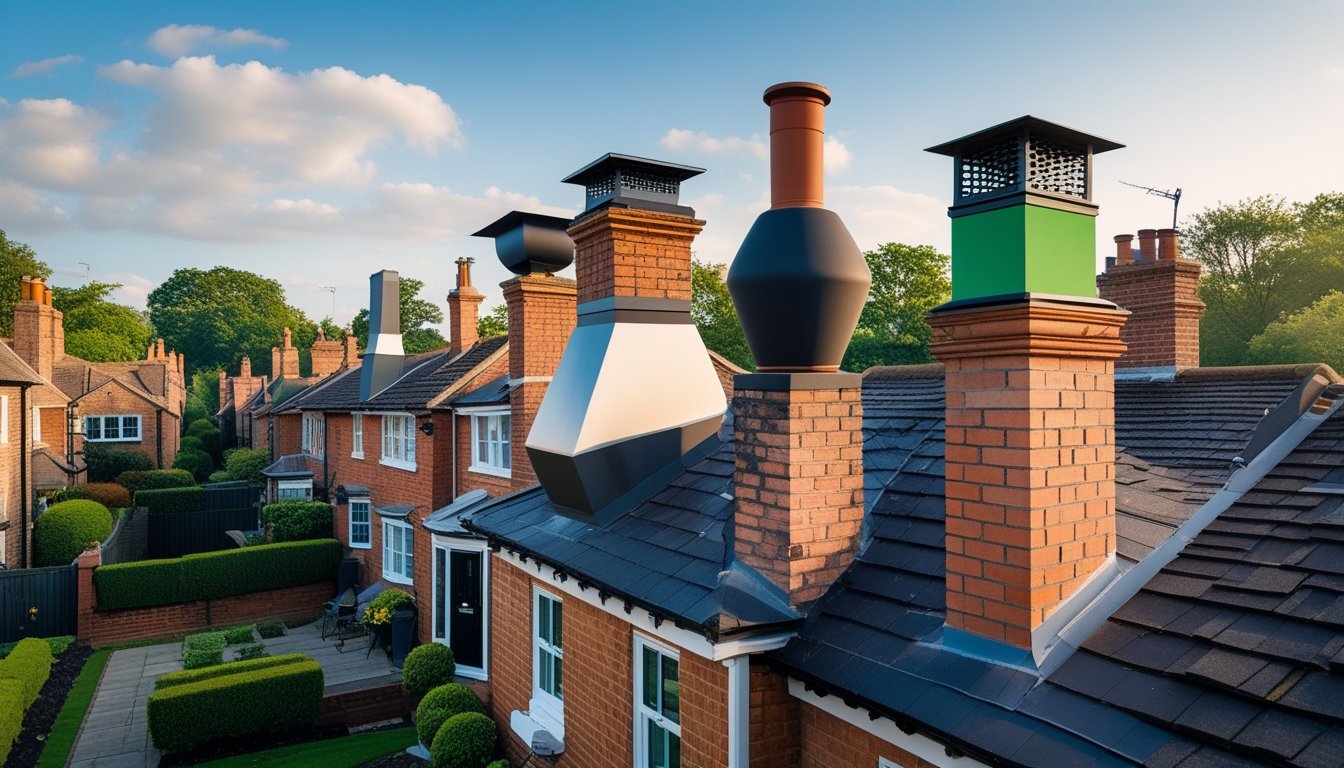
In the heart of British homes, the humble chimney pot holds both historical significance and functional purpose. These architectural features have graced rooftops for centuries, showcasing both traditional craftsmanship and modern design. In recent years, homeowners have begun exploring innovative chimney pot ideas that blend aesthetic appeal with technological advancements. Innovative chimney pot designs not only enhance your home’s aesthetic but also improve chimney performance and energy efficiency.

Our journey through chimney pot innovation reveals a wide variety of styles ranging from classic terracotta designs to contemporary materials that can withstand the elements better. By incorporating these modern designs, we can elevate our homes, blending tradition with innovation. These updates are not just about looks; they bring significant functional benefits that improve draft and efficiency, ensuring that the warmth in our homes is optimised with minimal environmental impact.
Join us as we explore how these decorative yet functional elements are being reimagined to meet the needs of today’s homeowners. Whether you’re restoring a period property or building a new one, there are chimney pot options to suit your style and needs. Discover how these small changes can make a big difference to the charm and functionality of your home.
Key Takeaways
- Innovative chimney pots enhance aesthetics and efficiency.
- Designs range from traditional terracotta to modern materials.
- Options are available for both new and period homes.
Innovative Chimney Pot Concepts for British Homes

In modern British homes, chimney pots are evolving to blend tradition with innovation. We explore how contemporary designs, aesthetic enhancements, and practical applications elevate both function and form.
Modern Chimney Pot Designs and Materials
We see an exciting shift in chimney pot designs, with a focus on materials that offer durability and visual appeal. New materials like stainless steel and contemporary copper are gaining popularity, while traditional terracotta remains a favourite. H-pots, known for their distinctive horizontal structure, improve air flow, making them a preferred option for modern vents. It's not just about function; these materials also allow homeowners to match or contrast with their existing architectural styles, creating a cohesive aesthetic.
Aesthetic Enhancements for Chimney Stacks
Chimney stacks are now treated as key visual elements of a home's exterior. By choosing unique chimney pot styles and decorative elements, homeowners can add character to what was once a purely functional part of the structure. Options range from ornate terracotta designs to sleek, minimalistic forms in metal. Such enhancements offer an opportunity to personalise the chimney pot design based on the overarching theme of the property. Additionally, colour variations in clay pots, such as buff or red, can complement or accentuate the roofline for enhanced curb appeal.
Incorporating Chimney Cowls and Caps
Chimney cowls and caps play a crucial role in both enhancing chimney pot efficiency and protecting the chimney from the elements. We find that these elements are increasingly engineered from robust materials designed to withstand harsh weather, while also preventing downdrafts and bird intrusions. The use of contemporary and streamlined chimney caps can seamlessly integrate with modern home designs, whilst traditional cowls maintain their charm for period properties. These components not only prolong the life of the chimney but also contribute to its aesthetic integration into the house’s facade.
Custom and Unusual Chimney Pot Applications
The demand for custom chimney pot applications is rising, with homeowners seeking unique solutions that serve both aesthetic and functional purposes. Suppliers offer bespoke designs that fit specific architectural needs, whether it's incorporating a family emblem into the design or matching the pot to the unique silhouette of a house. We notice an increase in the use of unusual chimney pot designs, such as twisted spirals or architectural motifs, providing bespoke options that add distinctiveness to a home. These custom designs reflect a blend of personal taste and architectural ingenuity, offering a bespoke touch to any structure.
Optimising Chimney Efficiency and Performance

To ensure peak performance and efficiency of our chimneys, we need to consider several critical factors. These include the choice of chimney pots and their impact on draft, the importance of regular maintenance, and how to efficiently integrate modern appliances.
Improving Flue Function and Ventilation
Improving the efficiency of a chimney begins with enhancing the flue's function and ventilation. The flue pipe is essential in carrying away smoke and other combustion products from fireplaces or stoves. Insulating the flue can minimise heat loss, allowing a better draft that pulls air through the chimney. Properly sized flues ensure optimal airflow, reducing the risk of smoke backflow into living spaces. Additionally, installing a suitable chimney pot at the top extends the flue and can enhance ventilation further. It's crucial to ensure our chimney system is correctly sealed, preventing air leaks that could compromise chimney performance.
Impact of Chimney Pot Choice on Draft and Downdraft
The selection of chimney pots significantly influences both draft and downdraft. Traditional pots, like those made from terracotta or clay, provide robust functionality and classic appeal. The height and design of these pots are critical; taller pots generally improve draft by creating a stronger updraft that pulls smoke out efficiently. Specific designs can also prevent downdraft, which often occurs due to adverse weather conditions. A well-chosen pot acts as a barrier to rain, snow, and debris, while still allowing air to circulate effectively, thereby protecting the chimney structure and enhancing overall functioning.
Role of Chimney Sweeps and Maintenance
Regular maintenance is the cornerstone of maintaining chimney efficiency. Chimney sweeps play a vital role by removing soot and creosote build-up, which can severely restrict airflow and pose fire hazards. Scheduling periodic cleanings ensures that the chimney remains clear and operates efficiently. Maintenance should also include inspections for structural integrity, identifying any damage, such as cracks or blockages, which might impair performance. By keeping chimney components like the flue and chimney pot clean and well-maintained, we ensure that the entire system operates smoothly and safely.
Compatibility with Gas Fires and Modern Appliances
Modern homes often feature gas fires, which require different considerations for chimneys. With gas appliances, it's essential to check compatibility with existing chimney structures. Unlike traditional wood fires, gas fires produce moisture during combustion, requiring a chimney system that can handle such conditions without degrading. Installing stainless steel liners might be necessary when converting traditional chimneys to accommodate new technology. Furthermore, choosing chimney pots that facilitate better draft is crucial to prevent the condensation issues that can arise with gas fires. Regular maintenance and appropriate modifications ensure that our chimney systems remain efficient and ready to meet the demands of contemporary living technologies.
Frequently Asked Questions
In the realm of contemporary British homes, chimney pots play both a functional and aesthetic role. Modern designs, eco-friendly features, and durable materials help enhance chimney performance and provide unique character.
What are some contemporary chimney pot designs suitable for UK homes?
Incorporating both traditional and modern elements, contemporary chimney pot designs offer a wide variety of styles. Options include sleek stainless steel finishes and innovative shapes that can add a fresh look to any home. Some designs creatively integrate technology, such as built-in sensors for improved ventilation and air quality.
How can one integrate eco-friendly features into chimney pots for British residences?
To improve sustainability, we can integrate eco-friendly features such as rainwater collection systems and recycled materials. Some modern designs are specifically engineered to maximise energy efficiency by enhancing air draft, which helps reduce the overall energy consumption of heating systems.
What materials are recommended for durable and stylish chimney pots in the UK?
For durability, materials like terracotta and stainless steel are advisable due to their resilience against harsh weather conditions. These materials are also timeless options that blend well with diverse architectural styles, offering both longevity and elegance.
Are there any regulations to consider when installing innovative chimney pots in the UK?
We must consider the building regulations, especially in conservation areas or when altering listed buildings. Local council approval may be necessary for significant changes, and it's essential to ensure that the chimney pots comply with guidelines to maintain architectural integrity.
How can updated chimney pots improve heating efficiency in British homes?
Innovative chimney pots enhance heating efficiency by optimising air flow, which aids in maintaining consistent indoor temperatures. By facilitating better draft, they can reduce smoke accumulation and result in more effective fuel combustion.
What bespoke chimney pot options are available for heritage properties in the UK?
For heritage properties, bespoke options often involve custom designs that match the historical period of the building. Reclaimed or artisan-crafted pots using traditional methods and materials can maintain the property's authenticity while offering improved functionality.