
Late updated: 12 Dec 2025 14:12
Written by: Oliver Bennett
Innovative UK Roofing Material Alternatives: Exploring Modern Solutions
Exploring alternatives to traditional roofing materials is a timely pursuit for UK homeowners. The construction industry is continuously evolving, and the push towards sustainable and innovative materials is more prominent than ever. Bio-based and recycled roofing materials offer an eco-conscious market a way to be environmentally responsible without losing durability and functionality. As new technologies emerge, they bring with them options that not only improve a home's aesthetics but also enhance energy efficiency.
One notable trend is the rise of roofing materials that integrate self-healing properties, which could drastically reduce the need for repairs. The government's emphasis on green construction practices is leading to an unprecedented focus on sustainability within the industry. By adopting these advanced materials, we can significantly minimise the environmental impact of our buildings while potentially boosting their value.
With a variety of innovative materials now available, from composite shingles made from recycled materials to synthetic roofing options, the choices are expanding. This transformation in the roofing industry is helping homeowners make more informed and sustainable choices. Our exploration today will guide you through the potential benefits and innovative options available for your home.
Key Takeaways
- Bio-based and recycled materials enhance sustainability.
- Self-healing roofing reduces maintenance needs.
- Government policy drives sustainable construction options.
Emerging Roofing Material Alternatives for UK Homes
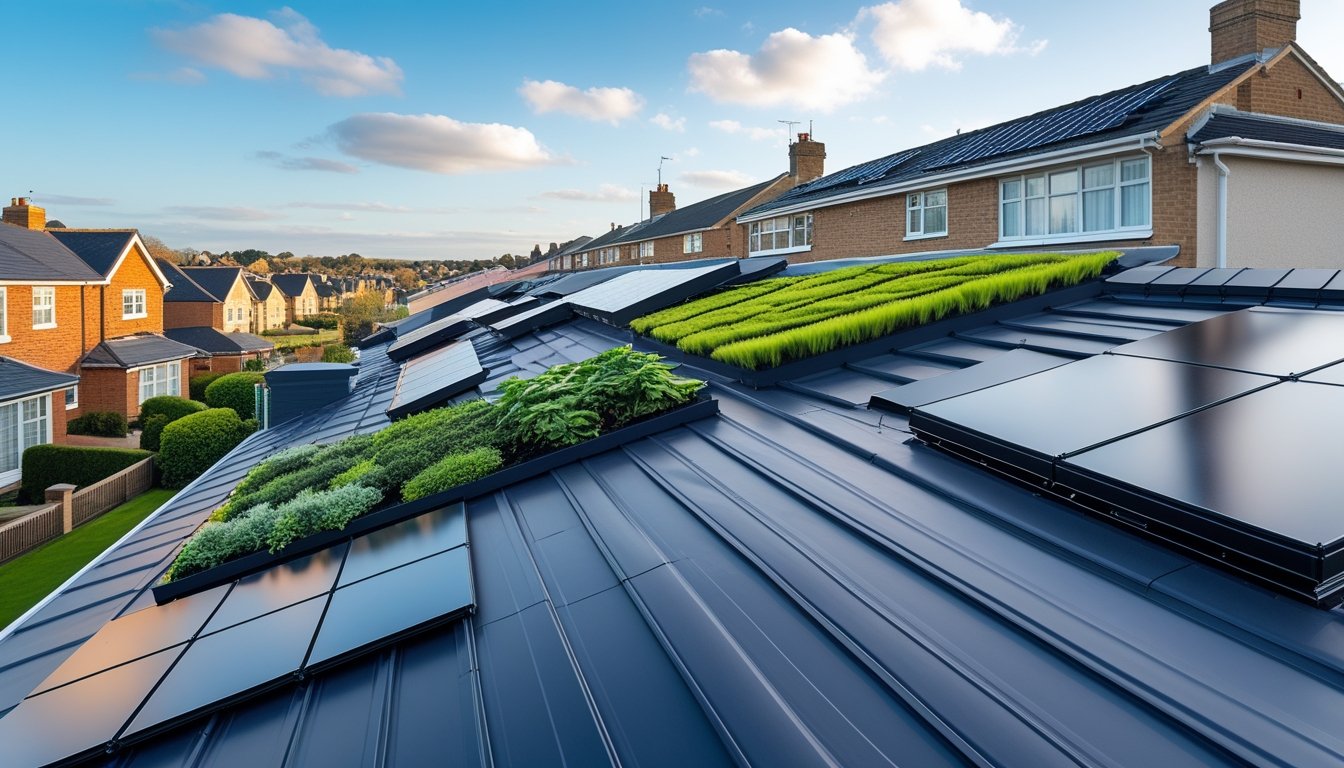
In today's world, roofing materials in the UK are embracing innovation to enhance sustainability and performance. From integrating nature into our structures with green roofs to harnessing the power of the sun through advanced solar technologies, these emerging solutions not only cater to environmental consciousness but also bring practical benefits.
Green Roof Innovations
Green roofs are transforming urban landscapes by integrating nature into our buildings. By covering rooftops with vegetation, these roofs provide natural insulation and regulate building temperatures, reducing energy use. They also play a critical role in stormwater management, helping to reduce runoff and mitigate flooding in urban areas. Beyond their functional benefits, green roofs enhance biodiversity by providing habitats for various species. They also contribute to improved air quality, absorbing pollutants and releasing oxygen. Several cities in the UK are adopting regulations to encourage or even mandate the implementation of green roofing in new developments, pushing innovation in design and plant selection to ensure resilience and longevity.
Advanced Solar Roofing Systems
The evolution of solar technology has made significant impacts on roofing systems. Solar tiles and panels are increasingly being integrated into roofs to maximise energy efficiency and sustainability. These advanced systems allow homes to generate their own renewable energy, decreasing dependence on traditional power sources and reducing utility bills. New solar materials have improved efficiencies and are designed to blend aesthetically with traditional roofing materials. Advances in solar roofing also provide modular and flexible designs, which can adapt to various architectural styles, ensuring both form and function are optimised. The UK government's support for renewable energy initiatives further bolsters adoption, offering incentives to homeowners for the installation of solar roofing solutions.
Recycled and Reclaimed Roofing Materials
In line with the circular economy principles, recycled and reclaimed roofing materials are gaining traction. These materials are sourced from previously used resources, such as metal, rubber, and plastics, transformed into durable and eco-friendly roofing solutions. By utilising recycled content, waste reduction is achieved, contributing to a more sustainable construction industry. Reclaimed materials like slate and clay tiles not only deliver a distinct aesthetic appeal but also support architectural conservation efforts by preserving the historical character of buildings. Additionally, innovations in manufacturing processes are enhancing the durability and performance of these materials, making them a viable option for contemporary housing projects aiming to reduce environmental impact.
Performance, Sustainability, and Environmental Impact
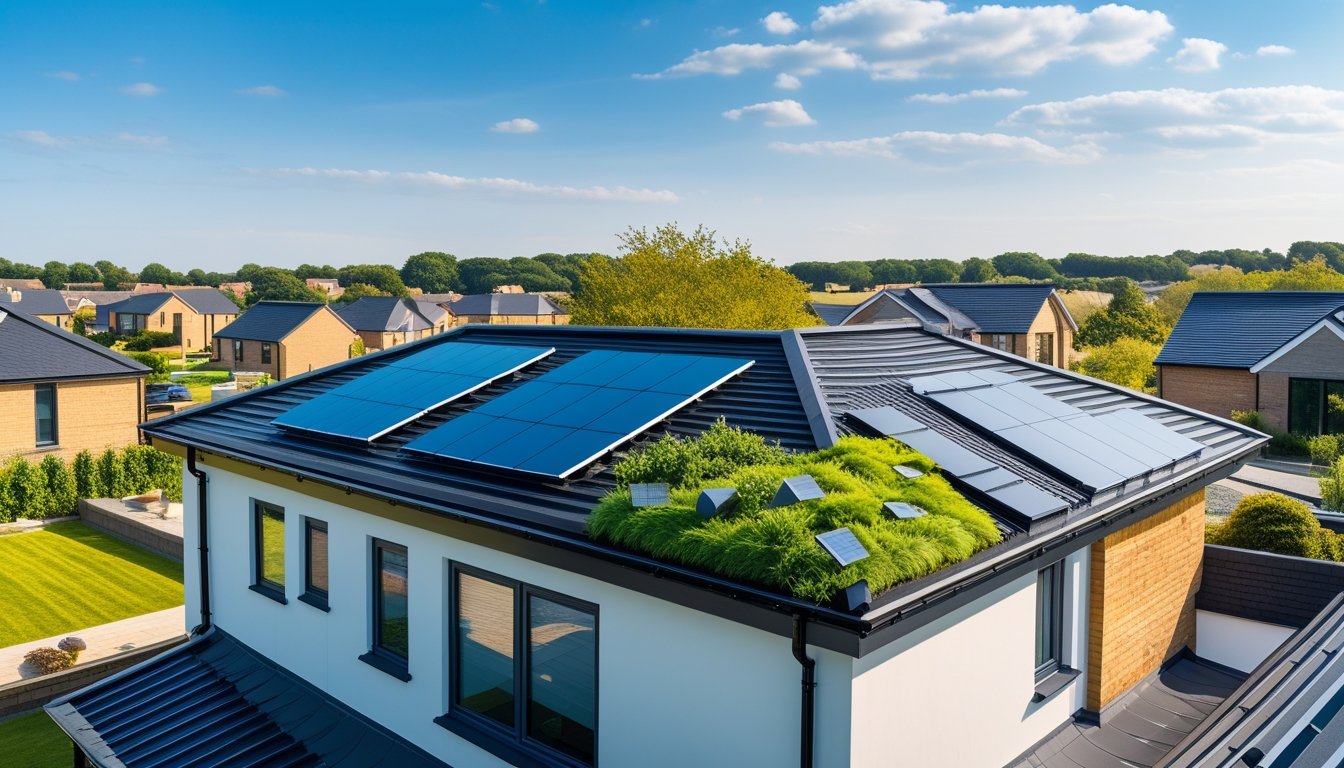
In our exploration of UK roofing material alternatives, particular emphasis is placed on their performance, sustainability, and environmental impact. We focus on the ability of these materials to enhance thermal insulation and energy efficiency, manage stormwater and drainage, and adhere to eco-friendly building practices.
Thermal Insulation and Energy Efficiency
The role of roofing materials in thermal insulation is pivotal to improving energy efficiency in buildings. Our energy-efficient roofing employs advanced materials that not only reduce heat exchange but also contribute to lower energy costs. By integrating bio-based materials, we provide enhanced thermal performance while reducing reliance on traditional insulation methods. For instance, using reflective surfaces and cool roofs diminishes heat absorption, which is crucial during the warmer months. Additionally, this kind of roofing reduces the need for artificial cooling, consequently cutting down energy consumption. This is especially important as energy costs continue to rise, and there is an increasing demand for sustainable living solutions.
Stormwater and Drainage Management
Effective stormwater and drainage management is key to preventing water damage and maintaining the structural integrity of buildings. Our innovative approach includes the adoption of blue and green roofs that excel in water management. Blue roofs are designed specifically for controlled water release, thereby reducing the risk of urban flooding. On top of that, green roofs contribute by absorbing rainwater and enhancing drainage systems. They provide a dual benefit: natural insulation and improved urban ecosystem health. Through the clever use of sustainable materials, we ensure that water management systems are both efficient and environmentally sound. The integration of such systems is essential in densely populated urban areas, where traditional drainage might fail to cope with heavy rainfall.
Eco-Friendly Building Practices
Eco-friendly building practices incorporate a holistic approach to reducing the environmental footprint of roofing systems. As we prioritise sustainability, bio-based materials are chosen for their minimal environmental impact. These include recycled materials, which are increasingly replacing conventional options. Roofing that incorporates solar tiles emerges not just as a sustainable option but as a method to generate energy on-site. This innovative strategy aligns with the global push toward renewable energy solutions. Additionally, by working with partners who understand best practices and regulatory compliance, we are enhancing both the design and functionality of modern rooftops. Our commitment to adopting these practices highlights the significant strides we are taking towards a more sustainable future.
Frequently Asked Questions
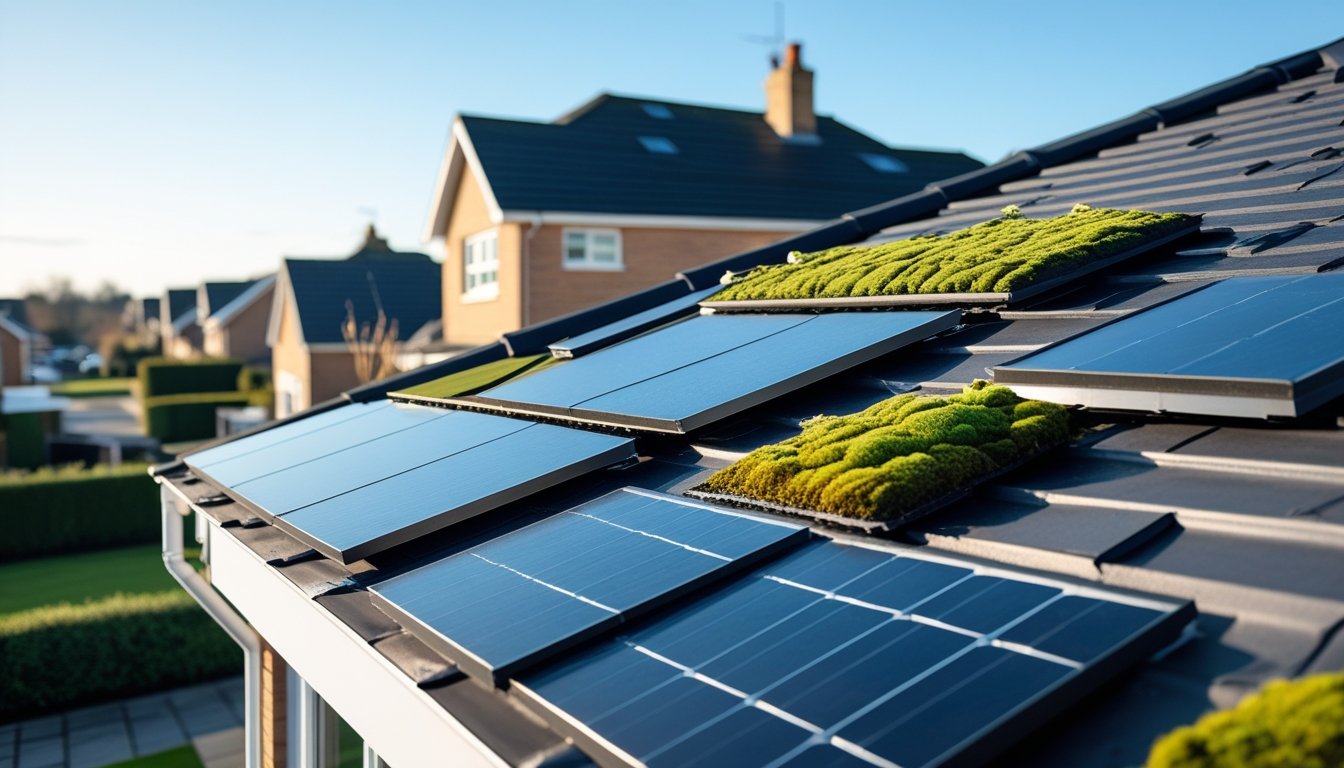
In exploring roofing material alternatives, sustainable solutions and technological advancements emerge as key themes. From eco-friendly options to cost implications and durability, these components reshape the roofing landscape.
What are the most sustainable roofing materials currently available in the UK?
In the UK, several sustainable roofing materials have gained prominence. Recycled materials like composite shingles and metal roofing offer both durability and environmental benefits. Green roofs, which integrate vegetation, provide not only sustainability but also natural insulation and habitat for wildlife.
How do green roofs contribute to energy efficiency in British buildings?
Green roofs excel in energy-efficient solutions for buildings. They provide natural insulation, leading to reduced heating and cooling demands. By improving thermal performance, green roofs help lower energy consumption, which over time can result in significant financial savings.
What are the key benefits of using recycled roofing materials in the UK construction industry?
Recycled materials have a substantial impact on sustainability efforts in construction. They help divert waste from landfills and reduce the need for new raw materials. Beyond environmental benefits, they often come with cost advantages, offering durability and meeting performance standards.
Can you explain the longevity and durability advantages of solar tiles in UK weather conditions?
Solar tiles are increasingly popular due to their dual functionality and weather resilience. They not only generate energy efficiently but are designed to withstand the wet and windy UK climate. This combination of energy production and durability makes them a worthwhile investment.
How do new roofing innovations compare in cost to traditional UK roofing materials?
Innovations in roofing often present a higher initial cost compared to traditional materials. However, the long-term savings potential, through reduced energy bills and increased longevity, often justifies these upfront expenses. Innovations also offer additional benefits, such as eco-friendliness and reduced maintenance.
What developments have there been in the fire resistance of roofing materials used in the UK?
Advancements in fire resistance for roofing materials are vital for safety. New materials and coatings have improved the fire-resistant characteristics of both organic and synthetic options. This progress ensures compliance with UK building regulations while enhancing overall safety for structures.