
Late updated: 14 Nov 2025 09:11
Written by: Oliver Bennett
Exploring Sustainable UK Garden Design Innovations: Trends and Techniques
Exploring sustainable garden design in the UK reveals a fascinating intersection of tradition and innovation. As we embrace more eco-friendly practices, our gardens become not just spaces for visual delight but also sanctuaries for biodiversity and environmental stewardship. Sustainable garden design influences how we utilise resources, focusing on the use of reclaimed materials, native plant species, and water-saving techniques.
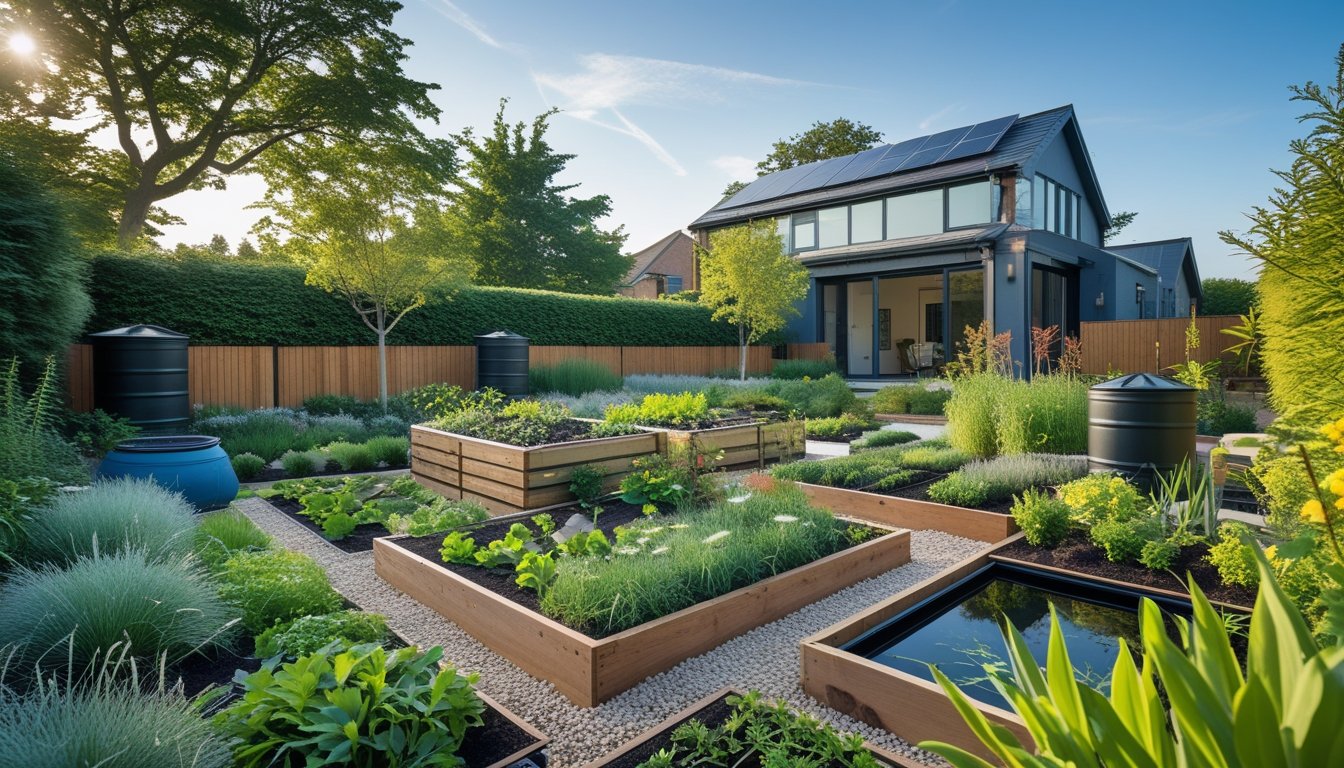
With the rise of climate awareness, sustainable gardening has become an essential movement. Integrating elements like drought-resistant plants and smart landscaping tools shows our commitment to these principles while adding value to our gardens. Using sustainable methods, such as creating habitats for wildlife, not only results in a thriving garden ecosystem but also enhances the beauty and functionality of our outdoor spaces.
Gardening innovations are transforming our approach to outdoor design, encouraging us to reconsider space utilisation and resource management. These changes promote a cultural shift toward sustainable living, mirroring broader environmental efforts. Through this blog post, we aim to delve deeper into these evolving trends and their implications for eco-conscious gardeners.
Key Takeaways
- Sustainable design benefits biodiversity and resource efficiency.
- Innovations like drought-resistant plants and smart tools enhance gardens.
- Gardens become eco-conscious spaces reflecting cultural shifts.
Core Principles in Sustainable UK Garden Design Innovations
Incorporating sustainability into UK garden design involves specific practices. These practices not only enhance aesthetics but also promote environmental benefits. By focusing on biodiversity, water management, material sourcing, and planting strategies, we create gardens that are both beautiful and eco-friendly.
Embracing Biodiversity with Native and Climate-Resilient Plants
To foster biodiversity, it's essential to integrate native and climate-resilient plants. These plants are adapted to local conditions and require less maintenance. They also provide vital habitats for local wildlife, including pollinators like bees and butterflies.
Choosing drought-resistant varieties ensures gardens thrive despite changing weather patterns. This approach preserves water resources and enhances the garden's resilience. By focusing on plant choices that support local ecosystems, we contribute positively to the environment.
Integrating Efficient Water Management Techniques
Effective water management is crucial in sustainable garden design. Employing strategies such as rainwater harvesting can significantly reduce reliance on mains water. We can install systems to capture rainfall in barrels, collecting it for future use. Rain gardens are another innovative solution.
These gardens are designed to absorb and filter rainwater, helping manage runoff during heavy rainfalls. By incorporating these systems, we effectively utilize natural resources, support plant health, and reduce water wastage.
Utilising Recycled and Locally Sourced Materials
The use of recycled and locally sourced materials is a core principle in sustainable design. By opting for materials like reclaimed timber or recycled mulch, we minimise environmental impact and support the local economy. Local materials reduce carbon footprints associated with transportation, furthering sustainable goals.
Gravel paths made from locally sourced stones also offer durable and low-maintenance solutions. This mindful material selection contributes to a garden's environmental credentials and longevity, ensuring it remains an attractive and eco-friendly space.
Advancing Low-Maintenance and Pollinator-Friendly Planting
Low-maintenance gardens are an essential aspect of sustainability. By choosing planting schemes like xeriscaping, which prioritise drought-tolerant plants like succulents, we reduce water use and upkeep. This gives us more time to enjoy our gardens without excessive effort.
Pollinator-friendly plants not only enhance beauty but also support crucial insects. Incorporating flowers rich in nectar invites bees and butterflies, promoting ecosystem balance. This thoughtful planting design focuses on effortless care while bolstering biodiversity.
Innovative Features and Emerging Trends in British Sustainable Gardens

Sustainable gardens in the UK are evolving with innovative features that embrace both tradition and modern technology. These trends are making urban and residential areas greener and more environmentally friendly.
Green Roofs and Living Walls for Urban and Residential Spaces
Green roofs and living walls are transforming urban and residential spaces by adding greenery to otherwise unused areas. Green roofs involve planting vegetation over a waterproof membrane on roofs, providing insulation and reducing stormwater runoff. These roofs contribute to a more sustainable environment and are becoming popular in urban settings where space is limited.
Living walls, on the other hand, incorporate vertical gardens on building exteriors or interiors. These walls not only improve air quality but also enhance aesthetics. By using a variety of plants, such as herbs and lavender, living walls can be tailored to suit different architectural styles. This innovation offers a practical solution for integrating nature into dense urban environments.
Rain Gardens, Wildflower Meadows, and Biophilic Design
Rain gardens and wildflower meadows are gaining traction as eco-conscious elements in garden design. Rain gardens manage excess rainwater, promoting natural drainage and reducing urban flooding. By incorporating native plants, these gardens filter pollutants and attract wildlife.
Wildflower meadows bring diversity and colour while supporting pollinators like bees and butterflies. These meadows require less maintenance compared to traditional lawns, aligning with sustainable garden trends.
The concept of biophilic design emphasises our connection with nature, encouraging the integration of natural elements and materials in garden spaces. Embracing this design can improve mental well-being and create harmonious outdoor environments.
Smart Gardening: Automated Irrigation and Natural Pest Control
Smart gardening technology is revolutionising how we care for our gardens. Automated irrigation systems ensure efficient water use, reducing waste and maintaining optimal soil moisture levels. This technology adapts to weather conditions and soil needs, promoting sustainable water management.
Natural pest control methods are gaining popularity as an alternative to chemical pesticides. Integrated pest management uses beneficial insects and organic solutions to maintain healthy plant growth. Encouraging biodiversity in our gardens not only controls pests but also fosters a balanced ecosystem, enhancing the garden's resilience.
Multi-Functional Structures and Urban Greening
Garden design is evolving to incorporate multi-functional structures that maximise space and utility. Features like pergolas and raised beds serve dual purposes. Pergolas offer shade and can support climbing plants, creating a natural canopy.
Raised beds optimise small spaces by providing defined planting areas suitable for herbs, vegetables, or flowers. These structures align with urban greening efforts, turning limited spaces into productive and inviting green areas.
Urban greening initiatives are transforming cities into greener landscapes by integrating plants into infrastructure and public spaces. Expanding green spaces not only improves air quality but also enhances urban living, providing residents with accessible and restorative environments.
Frequently Asked Questions
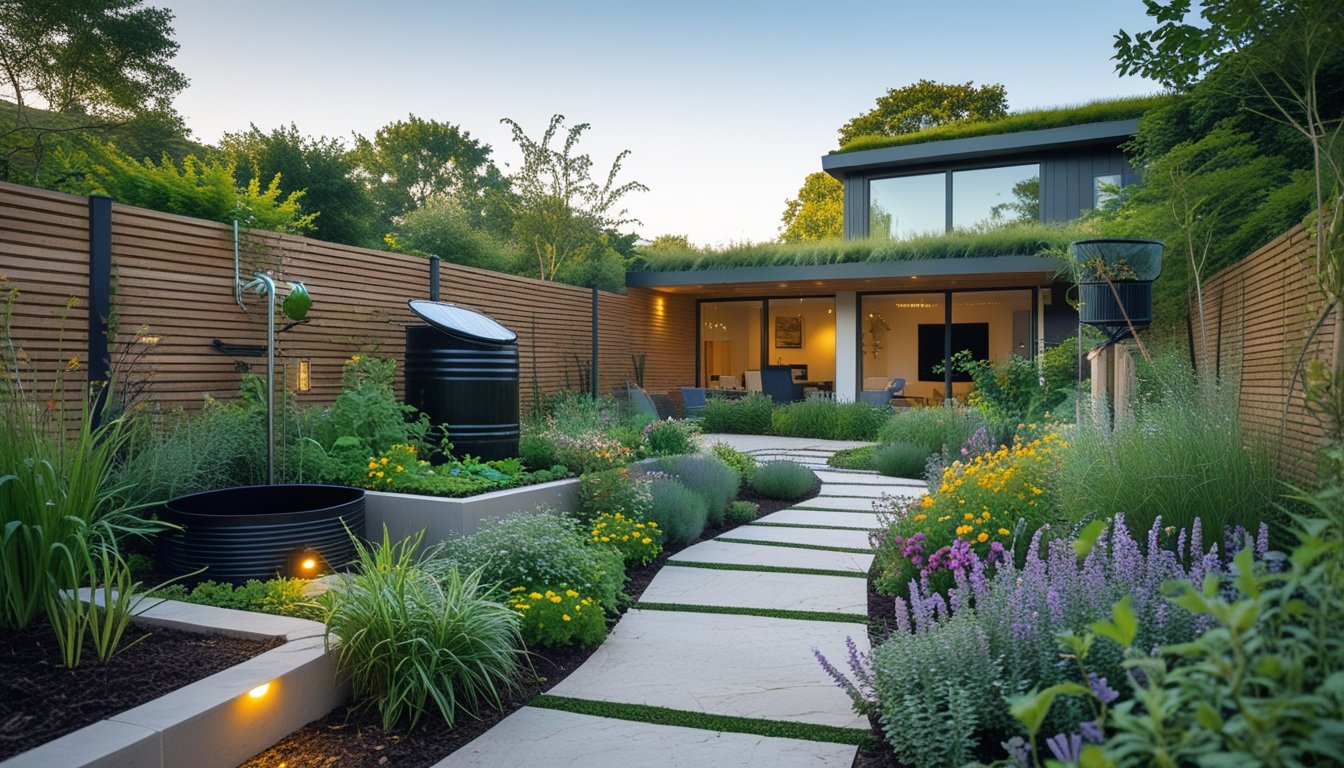
In the realm of sustainable UK garden design, we're diving into the integration of eco-friendly practices. Key approaches focus on native planting, water efficiency, and biodiversity enhancement. Let's explore these areas further.
What are the leading trends in eco-friendly garden design in the UK?
Sustainable gardening in the UK is embracing native and drought-resistant plants. Smart watering systems and wildlife-friendly designs are on the rise. These trends reflect a shift towards minimal maintenance and environmental impact while creating visually appealing landscapes.
How can permaculture principles be applied to urban gardens in the UK?
Permaculture can transform urban spaces by focusing on ecological harmony. This involves incorporating layered planting, utilising vertical gardens, and maximising edible landscapes. In UK cities, these approaches help create productive yet aesthetically pleasing green spaces that thrive even in limited areas.
What role do native plants play in creating sustainable gardens?
Native plants are crucial for sustainable gardens because they adapt well to local climates. They require less water and maintenance, which promotes a healthier ecosystem. By supporting indigenous wildlife, these plants contribute to a functioning and balanced garden environment.
What are the best practices for water conservation in UK gardens?
Water conservation techniques include using rainwater harvesting systems and mulching to retain soil moisture. Drip irrigation can reduce water waste by delivering moisture directly to plant roots. These methods are effective in ensuring sustainable water use in UK gardens.
How can garden design contribute to enhancing biodiversity in the UK?
Designing with biodiversity in mind involves creating diverse plantings that support various wildlife species. Including insect hotels, bird feeders, and hedgerows can foster a thriving ecosystem. These elements encourage a wide range of fauna to populate and interact within garden spaces.
What materials are considered most sustainable for use in garden landscaping?
Recycled materials, reclaimed wood, and locally sourced stone or gravel are among the most sustainable choices. These materials reduce energy use and waste, aligning with eco-friendly garden principles. Utilising them helps in maintaining environmental integrity in landscape architecture.